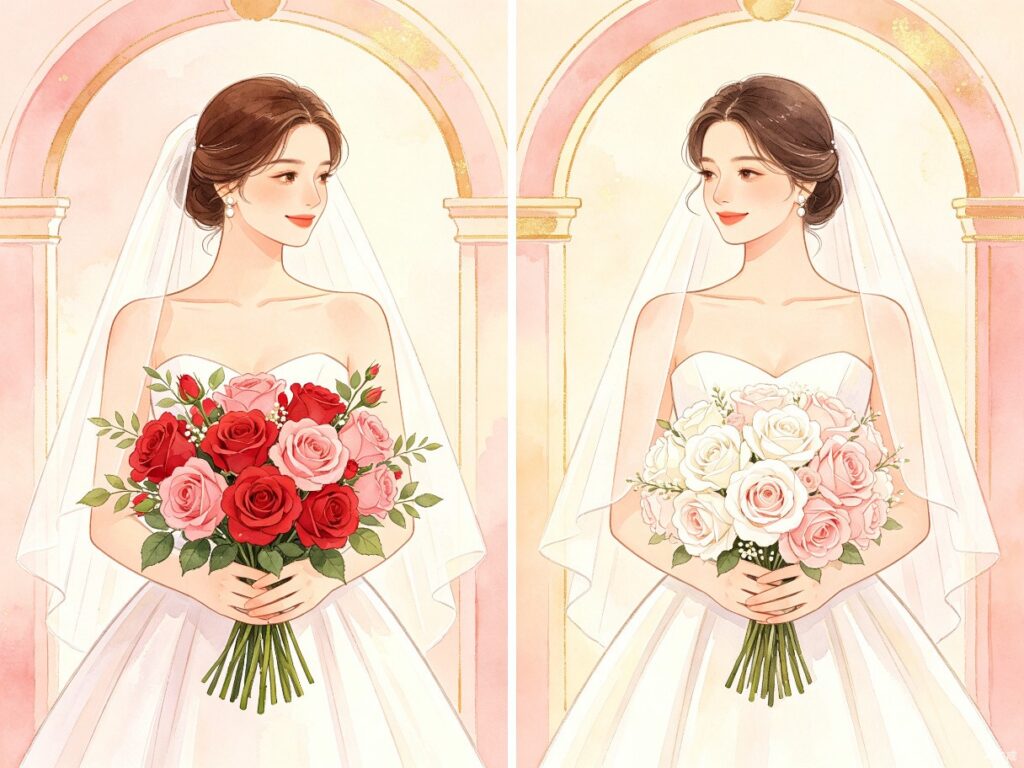
Silk flowers are better for budget-conscious couples and keepsake value; real flowers are better for fragrance and traditional aesthetics. Most modern weddings use a hybrid approach: real flowers for the bridal bouquet, silk flowers for centerpieces and venue decorations. Premium artificial roses now feature real-touch polymer coatings and hand-painted coloring that rivals fresh blooms in photos.
Cost savings with silk
Artificial flower lifespan
Average real flower budget
Average silk flower budget
Cost Comparison: Silk Flowers vs Real Flowers
Wedding flowers typically consume 8% to 10% of the total wedding budget. For the full long-term cost arithmetic of real versus artificial flowers, see our real vs. artificial flowers: the honest cost comparison.[1] For a $30,000 wedding, that translates to $2,400 to $3,000 on floral arrangements alone. The chart below breaks down costs by category.
Silk Flowers
Real Wedding Flower Costs
- Bridal bouquet: $150 to $350
- Bridesmaid bouquets (5): $400 to $750
- Boutonnieres and corsages: $150 to $300
- Centerpieces (15 tables): $750 to $1,500
- Ceremony arch or backdrop: $500 to $1,200
- Total typical range: $1,500 to $3,500
Silk Wedding Flower Costs
- Bridal bouquet: $50 to $120
- Bridesmaid bouquets (5): $150 to $350
- Boutonnieres and corsages: $40 to $100
- Centerpieces (15 tables): $300 to $600
- Ceremony arch or backdrop: $200 to $500
- Total typical range: $500 to $1,200
Silk flowers reduce floral expenses by roughly half while eliminating last-minute wilting risks. Couples can also resell or donate artificial arrangements after the wedding.
Silk Flowers
Durability and Longevity
Real Flowers: Beauty with an Expiration
Fresh wedding flowers last 1 to 3 days after delivery. They require refrigeration, hydration, and careful handling. Temperature, humidity, and travel stress can cause premature wilting.
Silk Flowers: A Lifetime Keepsake
Quality artificial roses and silk arrangements last 3 to 5 years with minimal care. BloomWitness artificial roses, for example, carry a durability rating of 3 to 5 years and require only gentle dusting.[2]
| Factor | Real Flowers | Silk Flowers |
|---|---|---|
| Lifespan | 1 to 3 days | 3 to 5 years |
| Storage | Refrigerated, hydrated | Dry, away from sunlight |
| Transport | Fragile; climate-controlled | Any conditions |
| Allergen risk | Pollen exposure | Hypoallergenic |
| Post-wedding | Discard or compost | Keep, resell, or donate |
Aesthetics and Photography
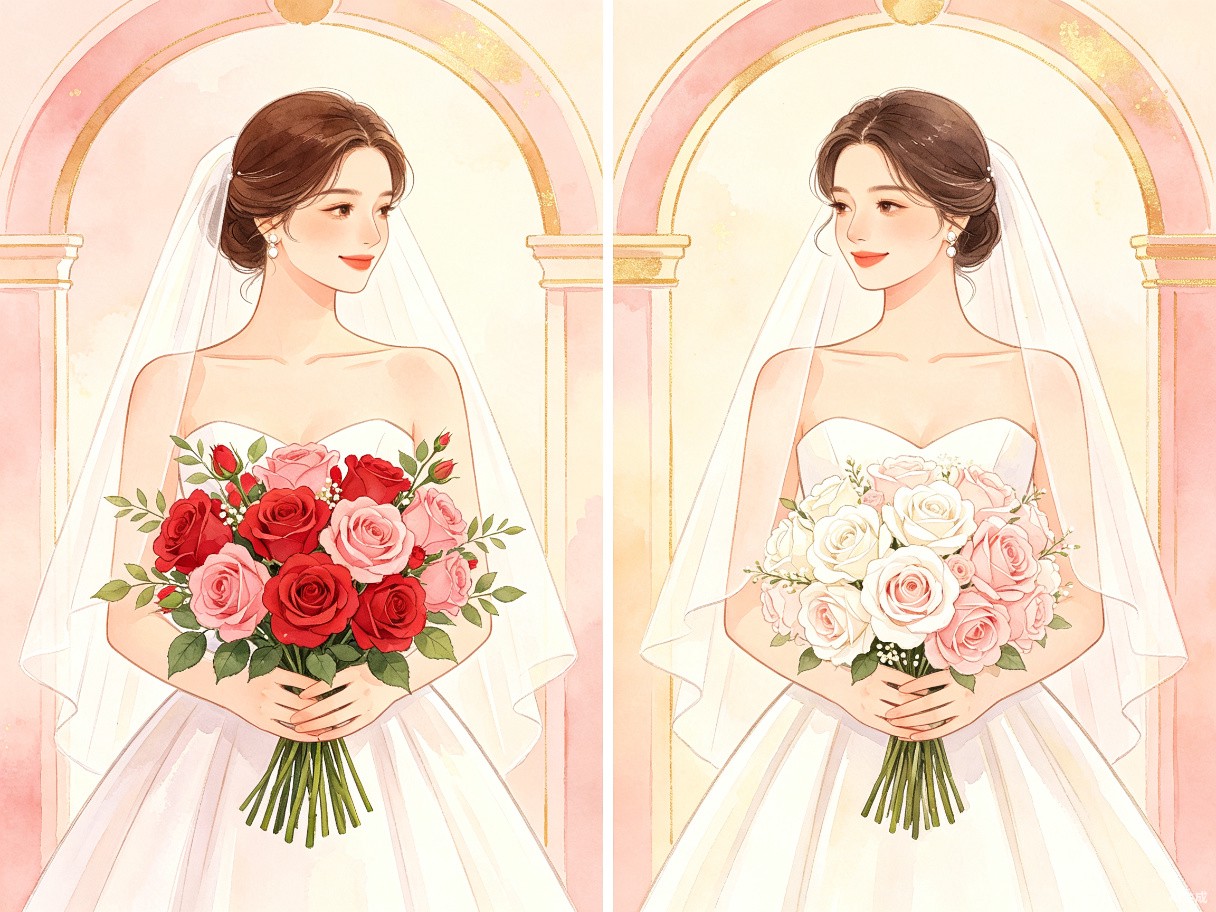
Visual Realism of Modern Silk Flowers
Premium silk flowers use realistic touch technology and hand-painted coloring to mimic natural petal gradients. In wedding photos, guests rarely distinguish high-quality artificial blooms from fresh ones.
Where Real Flowers Win
- Fragrance: Natural scent cannot be replicated.
- Movement: Petals move organically in breeze.
- Texture: Velvety feel upon close inspection.
- Color depth: Living pigments offer iridescence.
Where Silk Flowers Win
- Color control: Exact shade matching to palette.
- Seasonal freedom: Any flower, any season.
- No wilting: Perfect from ceremony to reception.
- Early setup: Arrange days in advance.
Practical Wedding Planning Considerations
When to Choose Real Flowers
- Budget exceeds $2,500 for florals.
- Wedding venue provides in-house refrigeration.
- Fragrance is a priority (outdoor garden weddings).
- Couple values biodegradable, sustainable decor.
When to Choose Silk Flowers
- Budget is under $1,500 for florals.
- Wedding takes place in extreme heat or humidity.
- Couple wants to keep the bouquet as a memento.
- Destination wedding with complex logistics.
- Allergies among the wedding party or guests.
The Hybrid Approach
Many wedding planners now recommend combining both types. Use real flowers for bouquets and boutonnieres where guests interact closely. Use silk flowers for centerpieces, arches, and hanging installations where visual impact matters most. For a full budget breakdown across a complete wedding, see our wedding flowers on a budget: why choose artificial guide.
Recommended Product: BloomWitness Artificial Roses
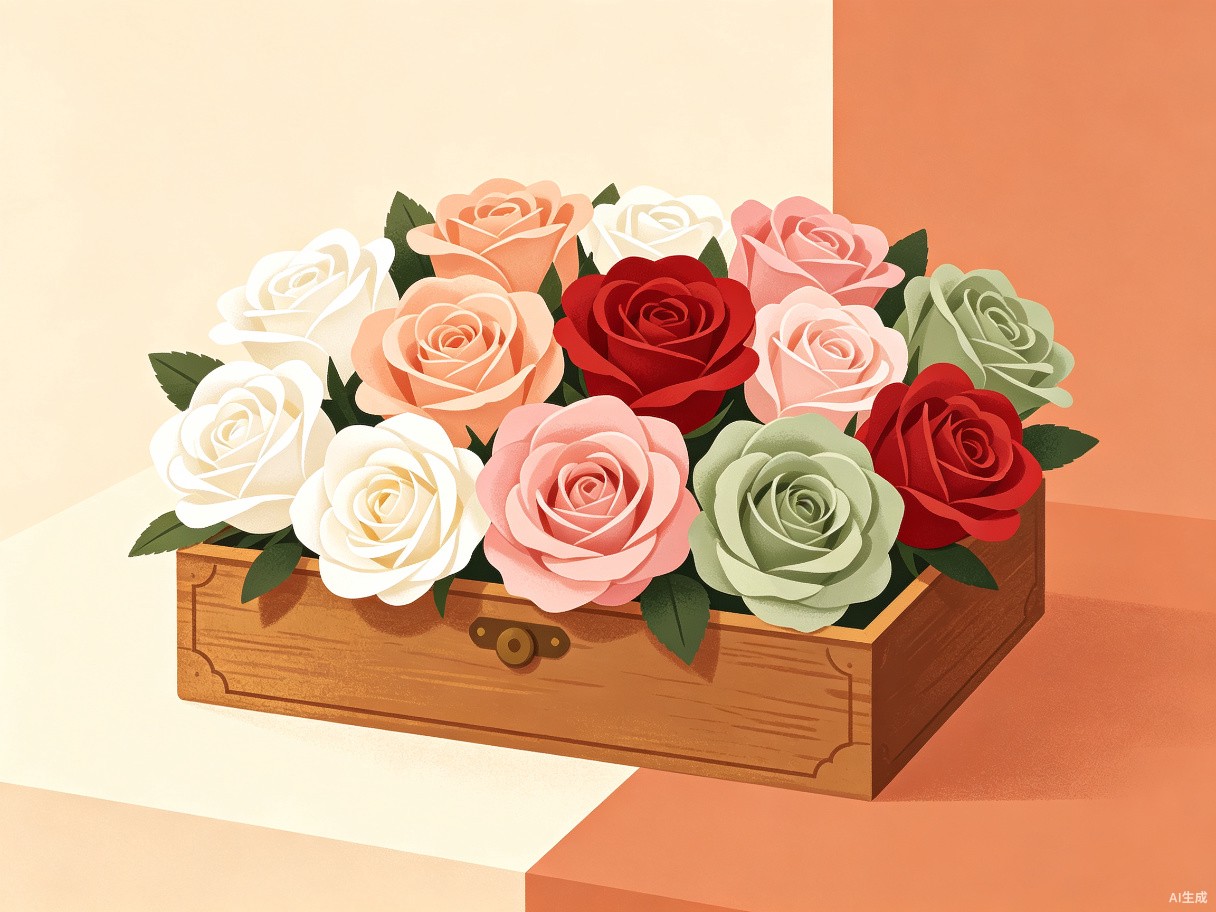
BloomWitness Artisan Series Artificial Roses
Premium handcrafted artificial roses designed for wedding decorations and keepsake bouquets. Features realistic touch technology and hand-painted coloring by master artisans.
- Realistic Touch Technology: Special polymer coating gives petals a silky, lifelike texture.
- Hand-painted Coloring: Each petal is individually colored for unique, natural variation.
- Safe Materials: Made from polycarbonate, EVA, and fabric. Hypoallergenic and pollen-free.
- Easy Care: Gently clean with a soft brush or cool air dryer. No water needed.
Frequently Asked Questions
Are silk flowers cheaper than real flowers for weddings?
Yes. Silk flowers typically cost 40% to 70% less than real wedding flowers. A real bridal bouquet averages $150 to $350, while a high-quality silk alternative ranges from $50 to $120.
Do silk flowers look realistic in wedding photos?
Modern premium silk flowers use real-touch polymer coatings and hand-painted coloring, making them nearly indistinguishable from real flowers in photos and from a distance.
How long do artificial wedding flowers last?
Quality artificial roses and silk flowers last 3 to 5 years with proper care. Store them dry, dust-free, and away from direct sunlight to maintain color and shape.
Can guests tell the difference between silk and real wedding flowers?
Most guests cannot tell the difference with premium artificial flowers. The key differences are lack of fragrance and slightly stiffer petal texture upon close touch.
Are artificial flowers hypoallergenic?
Yes. Silk and artificial flowers contain no pollen, making them ideal for weddings where guests or the wedding party have seasonal allergies.
Final Verdict
Choose silk flowers if you prioritize budget control, keepsake value, allergy safety, or extreme-weather resilience. Choose real flowers if fragrance, organic texture, and traditional symbolism matter most. For most couples in 2026, a strategic hybrid approach delivers the best of both worlds at a manageable price point. Our complete guide to choosing artificial flowers helps you pick the right materials and price tier for each part of the wedding.