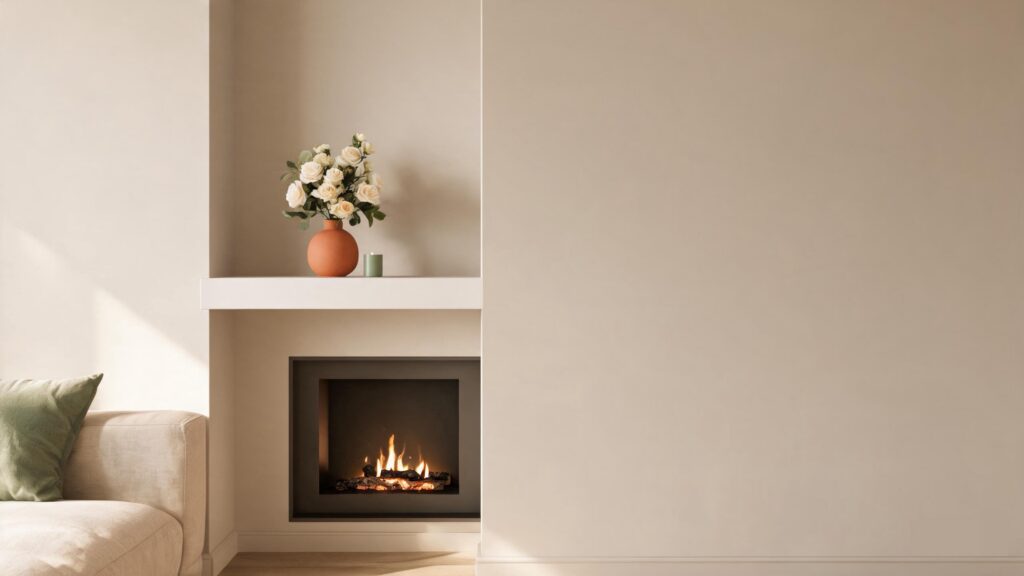
Yes, artificial flowers can catch fire. Most artificial flowers are made from polyester, silk, latex, or plastic — all of which are flammable materials that ignite when exposed to sufficient heat or open flame. Polyester melts at approximately 482°F (250°C) and can drip burning material, while silk burns steadily once ignited. Fire-retardant treated artificial flowers that meet NFPA 701 standards can self-extinguish within 2 seconds after flame removal, but no artificial flower product is truly “fireproof.”
Key Takeaways
- →Most artificial flowers are flammable — polyester, silk, latex, and plastic all burn when exposed to heat
- →Polyester ignites at ~482°F (250°C); silk catches fire even more easily from open flame
- →NFPA 701 is the key fire safety standard for decorative materials in commercial spaces
- →Fire-retardant treated flowers self-extinguish within 2 seconds — but topical treatments can wear off
- →Keep artificial flowers at least 12 inches from candles, fireplaces, heaters, and light fixtures
- →Commercial spaces (hotels, restaurants) require NFPA 701-certified fire-rated artificial greenery
- →PVC plastic has inherent flame resistance; latex and PE foam are the most flammable flower materials
Are Artificial Flowers Flammable?
Yes, the vast majority of artificial flowers are flammable. The four primary materials used in manufacturing — polyester silk, real touch latex, PE foam, and plastic — all have different combustion behaviors, but none are immune to fire.
Standard artificial flowers sold for home decor are not treated with fire retardants. They will ignite, melt, or burn when exposed to open flame or sufficient heat. Only specifically labeled “fire-retardant” or “IFR” (inherently fire-retardant) products meet recognized safety standards.
The degree of flammability depends on the material composition, density, and whether fire-retardant chemicals were applied during or after manufacturing.
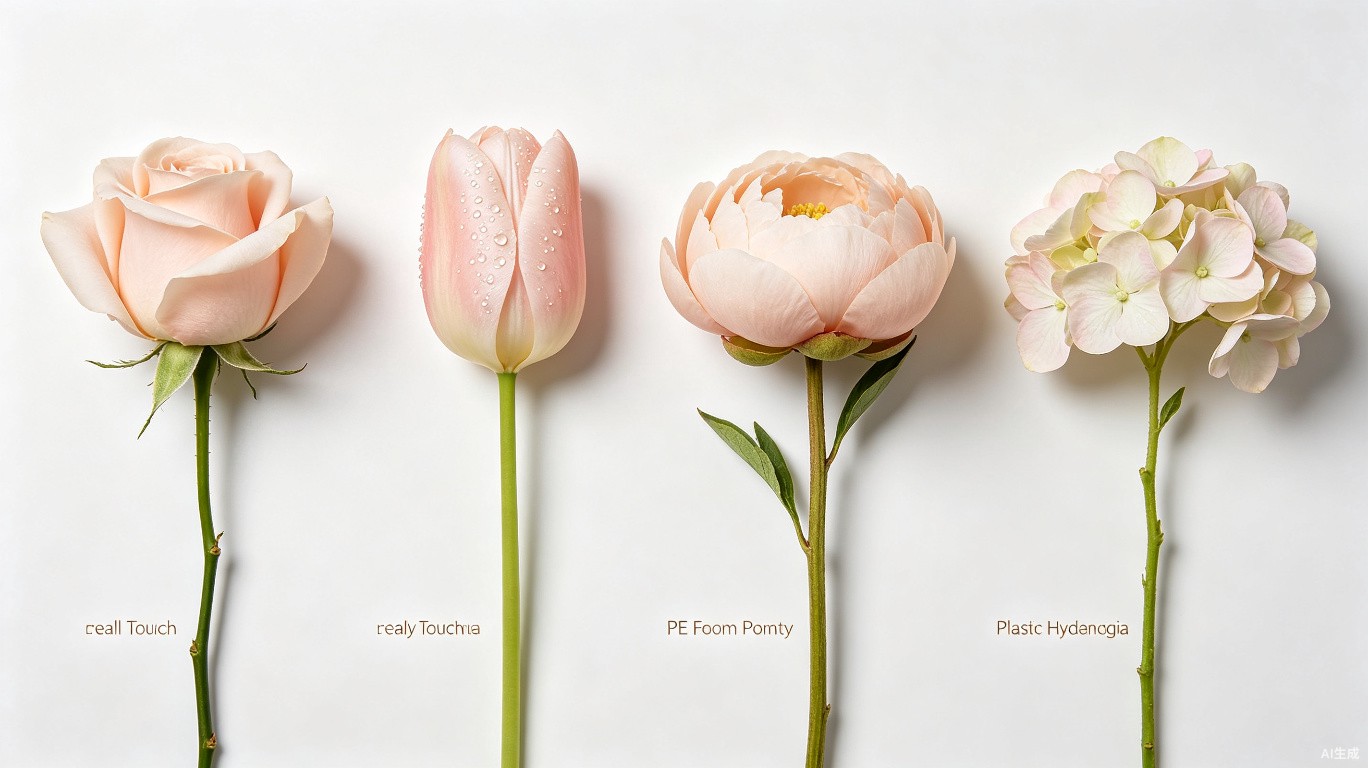
Different artificial flower materials have significantly different fire risk profiles. For a plain-language breakdown of polyester, latex, EVA, and PVC — see our guide to what artificial flowers are made of.
Artificial Flower Materials and Fire Risk
Each material used in artificial flower manufacturing behaves differently when exposed to heat or flame. Understanding these differences helps you make safer choices for your home or business.
Polyester Silk Flowers
Polyester is the most common material in artificial flowers. It has a melting point of approximately 482°F (250°C), meaning it requires significant heat to ignite. However, when polyester does catch fire, it melts and drips — and those burning drops can spread fire to other surfaces.
Burning polyester also releases toxic fumes and can cause severe adhesive burns to skin. Polyester is classified as “difficult to burn but will melt once hot” — not fire-safe.
Real Touch Latex Flowers
Real touch flowers use latex or EVA polymer coatings for a lifelike texture. Latex is a rubber-based material that is highly flammable and burns quickly, releasing thick toxic smoke. The soft, realistic texture may also encourage closer placement to heat sources, increasing risk.
PE Foam Flowers
PE (polyethylene) foam is used in budget artificial flowers. Polyethylene is more flammable than PVC and can burn rapidly when exposed to fire. Foam flowers have an open cellular structure that allows air circulation, making them ignite faster than denser materials.
Plastic / PVC Flowers
PVC (polyvinyl chloride) contains chlorine, which gives it a degree of inherent fire resistance. PVC can be formulated to be self-extinguishing — it stops burning once the ignition source is removed. However, burning PVC releases hydrogen chloride gas, which is toxic and corrosive.
| Material | Ignition Risk | Burning Behavior | Toxic Fumes | Overall Fire Safety |
|---|---|---|---|---|
| Polyester Silk | Moderate (482°F / 250°C) | Melts, drips burning material | Yes — toxic smoke | Moderate |
| Real Touch Latex | High | Burns rapidly, spreads quickly | Yes — thick toxic smoke | Low |
| PE Foam | High | Burns rapidly, open structure feeds flame | Yes | Low |
| PVC Plastic | Low (self-extinguishing) | Self-extinguishes when flame removed | Yes — HCl gas | Highest (of standard materials) |
| Silk (natural) | Moderate-High | Burns steadily, releases heat | Mild | Low-Moderate |
| Fire-Retardant Treated | Low (self-extinguishes ≤2 sec) | Self-extinguishes after flame removal | Varies by treatment | Highest |
Important Safety Warning
No artificial flower material is “fireproof.” Even fire-retardant treated products will burn under sustained flame exposure. The term “fire-retardant” means the material resists propagating flame — not that it is immune to fire.
Fire Safety Standards for Artificial Flowers
Several recognized standards govern the fire safety of artificial decorative materials. These standards are primarily enforced in commercial settings but provide useful benchmarks for residential safety.
NFPA 701: The Primary U.S. Standard
NFPA 701 is the National Fire Protection Association’s Standard Methods of Fire Tests for Flame Propagation of Textiles and Films. It is the most commonly referenced standard for artificial decorative materials in the United States.
The standard uses two test methods. Method 1 covers lighter fabrics like drapes and curtains. Method 2 covers heavier materials, plastics, films, and vinyl-coated products — which is the protocol relevant to artificial foliage.
To pass NFPA 701, a product must meet these criteria:
- Self-extinguish within 2 seconds after the flame source is removed
- Char length must remain under 6.5 inches
- No flaming debris or burning drips during testing
- Average burning mass loss must not exceed 40%
California Title 19: Stricter State Rule
California applies a stricter standard through Title 19 of the California Code of Regulations. It requires decorative materials in public occupancies — including hotels, hospitals, schools, theaters, and restaurants — to be nonflammable or treated with a State Fire Marshal-approved flame-retardant process.
Products meeting California Title 19 automatically meet NFPA 701, making it the preferred specification for national brands wanting consistent compliance across all locations.
EN 13501-1: European Standard
In Europe, the EN 13501-1 standard classifies the fire performance of construction products, including artificial decorative materials. It assesses ignition, flame spread, heat release, and smoke production, classifying products from A1 (non-combustible) to F (no determined performance).
NFPA 705: Field Flame Testing
NFPA 705 is a recommended practice for on-site field testing. Fire marshals use this informal procedure to spot-check installed materials by taking a small sample, applying a flame, and observing whether it self-extinguishes. This means even certified products can be tested after installation.
Fire-Retardant vs. Fire-Resistant: What’s the Difference?
The terms “fire-retardant” and “fire-resistant” are often used interchangeably, but they describe fundamentally different approaches to fire safety. Understanding this distinction is critical for both consumers and commercial buyers.
Inherently Fire-Retardant (IFR) Products
IFR products have flame resistance built directly into the fiber during manufacturing. The fire-retardant compounds are mixed into the resin before the material is formed, making the protection permanent and impossible to wash off or degrade over time.
IFR products are the preferred choice for commercial installations and outdoor use, where environmental exposure would degrade topical treatments. They also perform well on NFPA 705 field tests because the flame resistance is structural, not superficial.
Topically Treated Fire-Retardant Products
Topically treated products have a fire-retardant chemical coating applied to the surface after manufacturing. These coatings work by releasing chemicals that inhibit combustion — either by reducing oxygen availability or forming a protective char layer.
However, topical treatments have significant limitations:
- They can wash off, wear off, or degrade with sun and rain exposure
- They may leave an oily residue on the material surface
- Re-treatment is needed periodically to maintain compliance
- They can fail NFPA 705 field tests if the coating has worn away
Key Distinction
Fire-resistant (IFR): Flame resistance is built into the material itself — permanent and cannot wear off. Preferred for commercial and outdoor use.
Fire-retardant (treated): A chemical coating applied to the surface — effective but temporary. May need re-treatment over time.
How to Use Artificial Flowers Safely at Home
While residential fire codes generally do not require fire-rated artificial flowers, proper placement and precautions are essential to minimize fire risk in your home.
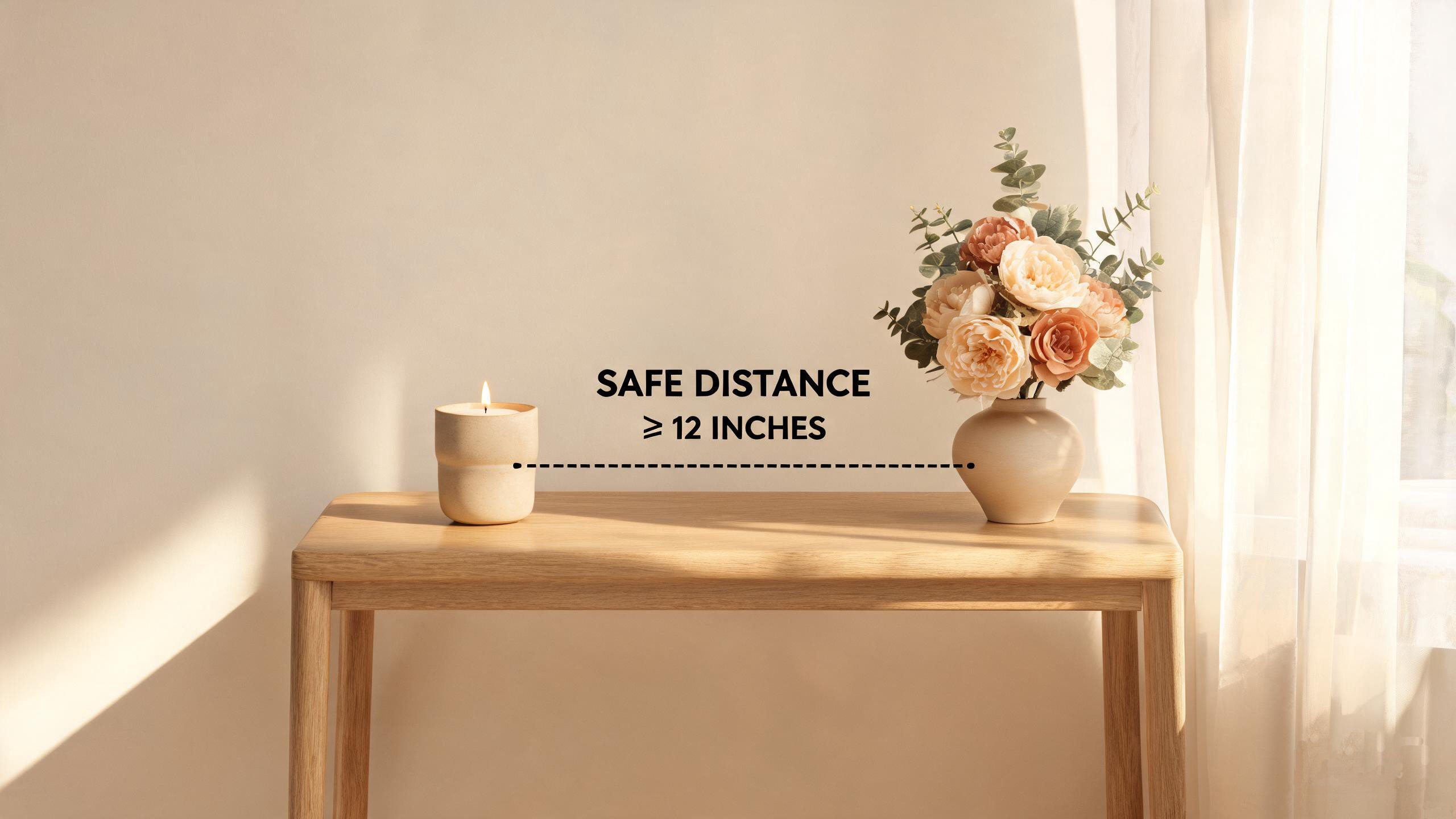
Proper placement of artificial flowers — maintain safe distance from candles, fireplaces, and heat sources.
Safe Placement Rules
- Keep 12+ inches from open flames: Never place artificial flowers near candles, fireplaces, or gas burners
- Avoid heat sources: Keep flowers away from radiators, heating vents, space heaters, and halogen lamps
- Don’t use as lampshade decorations: Light fixtures, especially halogen bulbs, generate enough heat to ignite artificial materials
- Maintain distance from kitchen stoves: Never display artificial flowers near cooking surfaces or ovens
- Use battery-operated candles: If pairing flowers with candles for ambiance, always use LED or battery-operated alternatives
Choosing Safer Artificial Flowers
- Look for products labeled “fire-retardant” or “IFR” (inherently fire-retardant)
- Choose PVC-based flowers over PE foam or latex for better fire performance
- Avoid densely packed arrangements that could act as accumulated fuel
- Consider applying fire-retardant spray to existing arrangements for added safety
- Inspect arrangements regularly for dust buildup, which increases flammability — follow this cleaning routine for artificial flowers to keep surfaces dust-free
Safe Practice
Premium silk and real touch flowers from reputable brands like BloomWitness use safety-tested materials. For maximum fire safety in your home, pair quality flowers with smart placement away from all heat sources, and consider fire-retardant spray treatment for arrangements near fireplaces or dining tables.
Commercial Fire Safety Requirements
Commercial spaces face strict regulatory requirements for artificial decorative materials. The International Building Code (IBC) Section 806.1 requires decorative materials in most commercial occupancies to meet NFPA 701 standards.
Where Fire-Rated Artificial Flowers Are Required
- Hotels and resorts: Lobbies, corridors, dining rooms, and event spaces
- Restaurants and bars: Assembly occupancy rules apply — decorative materials must meet NFPA 701
- Hospitals and healthcare facilities: Lobbies, waiting rooms, cafeterias, and corridors
- Schools, theaters, and houses of worship: Any assembly occupancy with 50+ people
- Offices and high-rise corridors: Shared corridors, elevator lobbies, and common areas
- Event and convention spaces: Subject to the strictest interpretation of fire safety standards
Documentation Requirements
Meeting the standard is only half the equation — you must also prove you meet it. Fire marshals can request documentation at any time, and failure to produce it can result in mandatory removal of non-compliant greenery.
- Obtain product-specific NFPA 701 Method 2 test reports from suppliers
- Keep documentation in your building’s compliance file indefinitely
- Verify whether the rating is inherent (IFR) or topical — this matters for exterior use
- A generic “fire safe” brochure claim is not valid documentation
- Inspections can occur years after initial installation
Compliance Tip
Removing and replacing non-compliant greenery after a fire inspection costs far more than specifying fire-rated product upfront. Always confirm fire code requirements before ordering, not after installation.
Top Pick: A Safe-to-Style Bouquet for Indoor Display
For everyday home display, the safety guidance above matters far more than the material — keep any artificial arrangement away from open flames and heat sources. This hydrangea bouquet is a practical, low-profile choice for mantels, shelves, and dining tables.
- Product: Artificial Hydrangeas Bouquet — real-touch faux silk blooms
- Price: $16 with free shipping
- Why it fits this article: a common household-scale bloom that follows the candle-and-placement notes from this guide
Shop the Artificial Hydrangeas Bouquet →
Frequently Asked Questions
Can artificial flowers catch fire easily?
Yes. Most artificial flowers are made from polyester, silk, latex, or plastic — all flammable materials. Polyester melts at around 482°F (250°C), and silk ignites easily from open flame. Fire-retardant treated flowers self-extinguish within 2 seconds after flame removal, meeting NFPA 701 standards.
Are silk flowers fire resistant?
Standard silk flowers are not fire resistant. Silk is a natural protein fiber that burns steadily when ignited. However, fire-retardant treated silk flowers that meet NFPA 701 standards are available from specialty suppliers.
Can I put artificial flowers near candles?
No. Never place artificial flowers near open flames. Artificial flowers can ignite, melt, and drip burning plastic that spreads fire. Keep artificial flowers at least 12 inches away from candles, fireplaces, radiators, and heating vents. Use battery-operated LED candles for safe ambiance.
Do I need fire-rated artificial flowers for my business?
If your business is a hotel, restaurant, hospital, school, or any assembly occupancy with 50+ people, yes. The IBC and NFPA 101 require decorative materials to meet NFPA 701. In California, Title 19 applies even stricter requirements. You must maintain product-specific fire test documentation.
Which artificial flower material is safest?
PVC plastic has inherent flame-resistant properties due to its chlorine content and can self-extinguish. Polyester has a higher melting point than silk but melts and drips. Latex and PE foam are the most flammable. Fire-retardant treated polyester silk is the safest common option for home decor.
How long does fire-retardant treatment last on artificial flowers?
Topical fire-retardant treatments can degrade over time, especially with sun exposure, rain, or cleaning. Inherently fire-retardant (IFR) products have flame resistance built into the fiber and do not require re-treatment. For commercial use, IFR products are recommended for longevity and compliance reliability.
Can I make my existing artificial flowers fire-retardant?
Yes. Fire-retardant sprays like Flamecheck M-111 can be applied to existing artificial flowers. These sprays meet NFPA 701 and CA Title 19 standards when properly applied. However, spray-on treatments are temporary and may need reapplication over time.
Are dried flowers more flammable than artificial flowers?
Yes. Dried flowers are significantly more flammable than artificial flowers. The dehydration process removes moisture and lowers the ignition point, making dried flowers burn rapidly — temperatures can exceed 600°C within 5 seconds of ignition. Artificial flowers, while still flammable, generally burn more slowly.
Sources
-
All-Artistic, “Are Artificial Flowers Fire-Resistant?” — Material breakdown and fire resistance analysis of silk, polyester, plastic, and latex artificial flowers.
https://www.all-artistic.com/blog/are-artificial-flowers-fire-resistant-2070245.html -
SilverBobbin, “Is Polyester Flammable? Does It Melt or Burn?” — Polyester ignition temperature (482°F/250°C), burning behavior, and comparison with other fabrics.
https://silverbobbin.com/is-polyester-flammable -
Silks Are Forever, “Understanding Fire Codes and How Artificial Greenery Helps Your Business Stay Compliant” — NFPA 701, IBC Section 806.1, NFPA 101, and NFPA 705 explained for commercial artificial plants.
https://silksareforever.com/blogs/general/understanding-fire-codes -
Califauxscapes, “NFPA 701 Method 2 Explained: Fire-Rated Artificial Plants for California Businesses” — Method 2 test protocol, IFR vs. topical treatment, and specification checklist.
https://califauxscapes.com/guides/nfpa-701-fire-rated-artificial-plants/ -
Designer Plants, “FireTex and NFPA 701: What Our Fire Testing Means” — NFPA 701 compliance criteria, char length requirements, and FireTex vs. spray-on retardants.
https://designerplants.com/blogs/news/designer-plants-nfpa-701-compliant-what-that-means -
NFPA 701 — Standard Methods of Fire Tests for Flame Propagation of Textiles and Films. Test criteria: afterflame time ≤2 seconds, char length limits, and burning mass loss ≤40%.
https://www.nfpa.org/codes-and-standards/nfpa-701-standard-development/701 -
Baike, “NFPA 701” — Test Method 1 and Method 2 pass criteria: afterflame ≤2 sec, mass loss ≤40%, char length standards by specimen type.
https://m.baike.com/wiki/NFPA%20701/4512168 -
Bucks Fire Rescue, “Flammable Décor and Flower Walls” — Fire safety guidance for floral displays, placement away from ignition sources, and escape route maintenance.
https://bucksfire.gov.uk/safety-hub/flammable-decor-and-flower-walls/ -
Flamecheck, “M-111 Universal Fire Retardant Spray” — Meets NFPA 701, CA Title 19, and ASTM E-84 standards for treating textiles and decorative materials.
https://flamecheck.com/product/flamecheck-m-111/ -
U.S. Consumer Product Safety Commission (CPSC), “Holiday Decoration Safety Tips” — Guidance on non-combustible and flame-resistant decorative materials, candle safety, and fire prevention.
https://www.cpsc.gov/s3fs-public/611.pdf
Ready to style your space safely?
The Artificial Hydrangeas Bouquet at $16 with free shipping — pair it with the candle-and-placement tips above, and keep flame away from every stem.