Key Takeaways
- Most realistic materials: Real touch (latex/polymer-coated) > Silk (hand-painted) > PE > Plastic
- Lifespan: 3–5 years for silk, 5+ years for real touch and PE
- Vase rule: Flower stems = 1.5 to 2× vase height
- Arrangement method: Greenery base → focal flowers → filler flowers (3 layers)
- Best for weddings: Save 50–70% vs fresh flowers, no wilting, arrange in advance
- Care: Dust weekly, wash monthly with cool water + mild soap, avoid direct sunlight
What Are Artificial Flowers? Modern Faux Florals Explained
Artificial flowers — also called fake flowers, faux flowers, or silk flowers — are decorative floral replicas designed to mimic the appearance and texture of fresh-cut flowers. Modern artificial flowers are made from silk, latex, PE polymer, and advanced real-touch materials that achieve near-identical realism to living blooms.
Unlike the stiff plastic flowers of past decades, today’s high-quality artificial flowers feature multi-layer petals, hand-painted gradients, wired stems for custom shaping, and textured leaf detailing. The global artificial flower market has grown significantly as homeowners, wedding planners, and interior designers embrace them for their longevity, low maintenance, and cost savings.
Artificial Flowers vs Fresh Flowers: Which Is Better?
Artificial flowers outperform fresh flowers in longevity, cost, and convenience, while fresh flowers win on natural fragrance. For most home decor and wedding uses, modern artificial flowers are the practical choice — they look real, last years, and never wilt.
| Feature | Artificial Flowers | Fresh Flowers |
|---|---|---|
| Lifespan | 3–5 years (5+ premium) | 5–14 days |
| Cost (annual) | $20–80 one-time | $200–600+ |
| Maintenance | Dust monthly | Daily water, trimming |
| Allergies | Hypoallergenic | Pollen allergies common |
| Seasonal limits | None — any flower anytime | Limited by season |
| Fragrance | None (can add scent) | Natural fragrance |
| Eco impact | One-time production, reusable | Repeated farming + transport |
Artificial Flower Materials: Which Type Is Most Realistic?
The material determines how realistic your artificial flowers look and feel. There are four main types on the market today, each with distinct advantages. Real touch flowers are the most realistic, followed by hand-painted silk, PE polymer, and standard plastic.
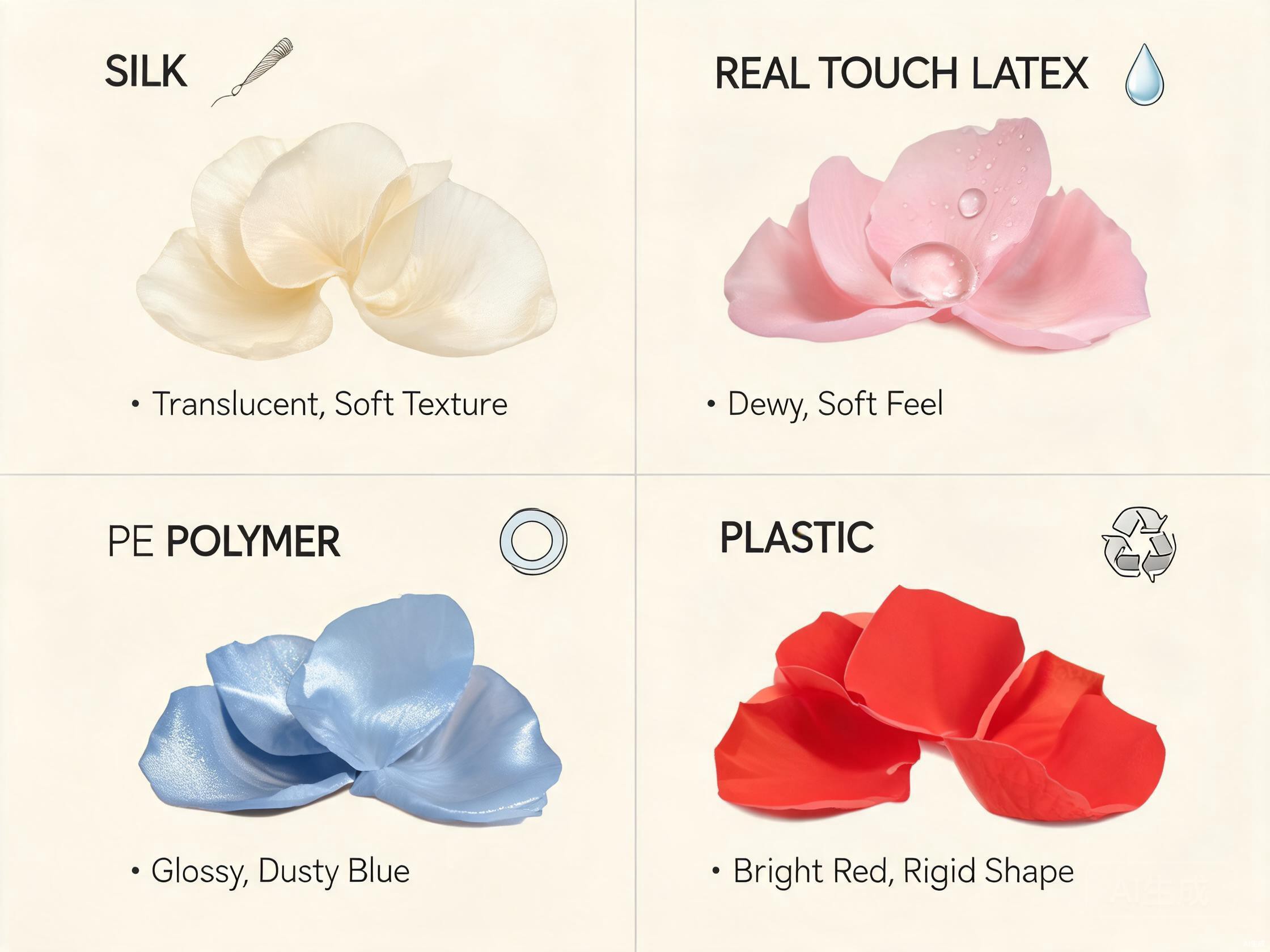
Figure 1: The four main artificial flower materials compared — silk, real touch, PE, and plastic
1. Silk Flowers (Most Popular)
Silk flowers are the most common type of artificial flowers. Modern silk flowers use multi-layer petal construction with hand-painted color gradients for a natural, translucent look. They are affordable, lightweight, and available in every flower type from roses to peonies.
- Realism: High — hand-painted details mimic natural color variation
- Touch: Soft fabric feel, not identical to real petals
- Lifespan: 3–5 years with proper care
- Best for: Home decor, everyday arrangements, budget weddings
- Price range: $8–30 per stem
2. Real Touch Flowers (Most Realistic)
Real touch flowers are coated with a latex or polymer layer that replicates the soft, supple texture of living petals. They look and feel nearly identical to fresh flowers, making them the top choice for wedding bouquets and premium home decor.
- Realism: Highest — indistinguishable from real in photos and touch
- Touch: Soft, cool, natural petal-like texture
- Lifespan: 5+ years
- Best for: Wedding bouquets, bridal arrangements, luxury home decor
- Price range: $15–45 per stem
3. PE Polymer Flowers (Most Durable)
PE (polyethylene) flowers are injection-molded from polymer material, creating precise petal shapes with a slight natural gloss. They are extremely durable, weather-resistant, and ideal for outdoor use or high-traffic areas.
- Realism: Medium-high — precise shape but less natural texture
- Touch: Smooth, slightly firm
- Lifespan: 5+ years, weather-resistant
- Best for: Outdoor arrangements, commercial spaces, high-traffic areas
- Price range: $10–25 per stem
4. Plastic Flowers (Most Affordable)
Basic plastic flowers are the cheapest option, with single-layer petals and uniform coloring. They are suitable for large-scale decorative projects where realism is not the priority, such as festival backdrops or retail displays.
- Realism: Low — visible artificial sheen
- Touch: Rigid, smooth plastic
- Lifespan: 5–7 years
- Best for: Large-scale decor, outdoor events, budget projects
- Price range: $3–10 per stem
Quick tip: Squeeze the petal gently. If it feels soft and cool like a real leaf, it’s real touch. If it feels like fabric, it’s silk. If it feels hard and smooth, it’s PE or plastic.
How to Choose Artificial Flowers: A Buying Guide
Choosing quality artificial flowers comes down to checking three things: material quality, construction details, and color realism. Here is what to look for when shopping for artificial tulips, roses, peonies, or hydrangeas online or in stores.
What to Check Before You Buy
- Petal layers: Quality flowers have 5+ petal layers; cheap ones have 1–2
- Color variation: Look for hand-painted gradients, not flat uniform color
- Stem wiring: Wired stems allow bending and shaping; plastic-only stems don’t
- Leaf texture: Real-touch leaves should have visible veins and matte finish
- Petal edges: Natural flowers have slightly ruffled edges, not perfectly straight cuts
- Scent: Quality flowers are odorless; strong chemical smells indicate cheap materials
Best Artificial Flowers by Type
Artificial Tulips
The best artificial tulips feature polymer-coated petals with a natural cup shape and hand-painted color gradients at the base. Look for tulips with flexible wired stems that can be bent naturally, and choose colors that match the season — pastels for spring, deep reds for winter.
Artificial Roses
Quality artificial roses have 20+ petals arranged in a natural spiral pattern. Real touch roses are the gold standard for wedding bouquets. For home decor, silk roses with hand-painted edges offer excellent realism at a lower price point.
Artificial Peonies
The best artificial peonies have full, ruffled blooms with 30+ petals that open naturally. Silk peonies with layered construction look most realistic. Choose blush, coral, or cream colors for a timeless, elegant look that matches any decor style.
Artificial Hydrangeas
Quality artificial hydrangeas feature full clusters of small flowers with individual petal detailing. Real touch hydrangeas are especially popular because their large petal surface showcases the latex texture beautifully. Look for stems with multiple bloom heads for fuller arrangements.
How to Arrange Artificial Flowers in a Vase: 6 Steps
Arranging artificial flowers in a vase follows three rules: use the 1.5x height rule, build in three layers, and bend stems naturally. This method works for any flower type and vase size, creating balanced, professional-looking arrangements in minutes.
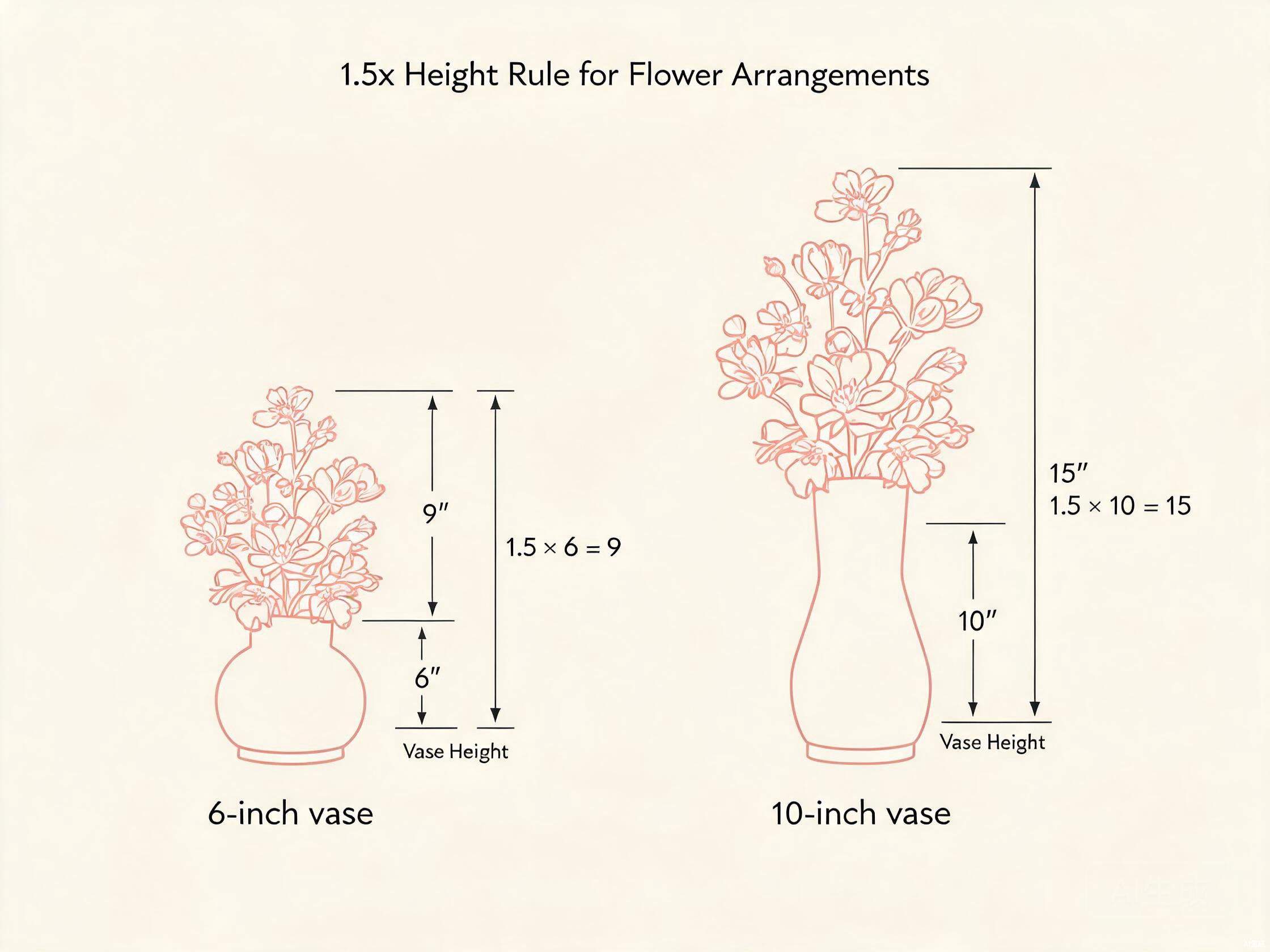
Figure 2: The 1.5x height rule — stems should be 1.5 to 2 times the vase height
The 3-Layer Arrangement Method
Step 1: Choose the Right Vase Height
Measure your vase height. Your artificial flower stems should be 1.5 to 2 times that height. For a 6-inch vase, choose 9–12 inch stems. For a 10-inch vase, use 15–20 inch stems.
Step 2: Build the Greenery Base
Start with 3–5 eucalyptus, ivy, or fern stems to create a fan-shaped base. Bend the stems slightly outward so they fan naturally around the vase rim. This layer provides structure and hides the stems of your focal flowers.
Step 3: Add Focal Flowers
Place 3–5 large flowers — roses, peonies, or hydrangeas — in the center. Vary the heights slightly, with the tallest at 1.5x the vase height. Angle the outer flowers toward the rim for a natural, rounded shape.
Step 4: Fill with Accent Flowers
Add smaller filler flowers like baby’s breath, small tulips, or buds around and between the focal flowers. Fill any visible gaps to create a full, lush look.
Step 5: Adjust and Finalize
Step back and check the arrangement from all angles. Bend stems to fill empty spots, and ensure no wires are visible. The arrangement should look balanced and natural from every direction.
Step 6: Fluff and Clean
Gently separate and curve individual petals for a freshly picked look. Trim any visible wire stems with wire cutters and wipe the vase clean.
Pro tip: If your arrangement looks too perfect and symmetrical, it will look fake. Real flowers grow asymmetrically — intentionally place one stem slightly off-center for a natural look.
Artificial Flowers for Every Room: Scene Styling Guide
Different rooms call for different flower types, colors, and arrangement styles. The right artificial flowers can transform a space — from a calming bedroom to a vibrant dining table. Here is how to style artificial flowers in every room of your home.
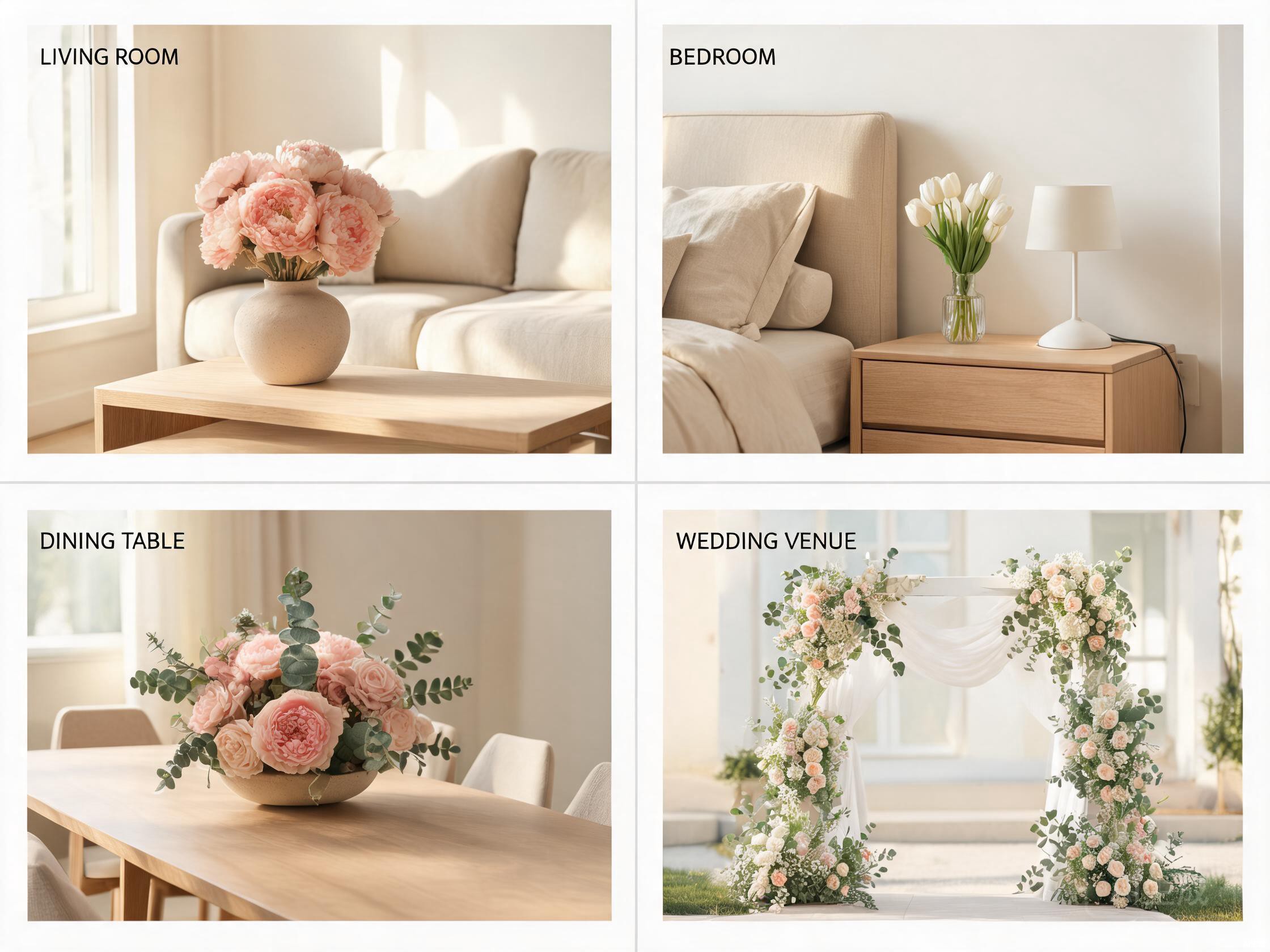
Figure 3: Artificial flowers styled for different rooms and occasions
Living Room
The living room is the ideal space for a statement arrangement. Choose large, bold flowers like hydrangeas, peonies, or roses in a tall ceramic vase. Place the arrangement on a coffee table or console table where it becomes a focal point.
- Best flowers: Hydrangeas, peonies, large roses
- Best colors: Warm tones — blush, coral, cream, burgundy
- Vase type: Tall ceramic or glass (8–12 inches)
- Arrangement size: Full and lush — 12–18 inch stems
Bedroom
Bedrooms benefit from soft, calming flower arrangements. Choose delicate flowers like tulips or small roses in muted colors. A small bud vase with 3–5 stems on the nightstand creates a serene, spa-like atmosphere.
- Best flowers: Tulips, small roses, lavender
- Best colors: Soft pastels — blush pink, white, lavender, pale blue
- Vase type: Small glass bud vase (4–6 inches)
- Arrangement size: Minimal — 5–8 stems
Dining Table
Dining table centerpieces should be low enough to see over during conversation. Use a wide, shallow vase with a horizontal arrangement of roses and greenery. Keep the height under 12 inches so it doesn’t block eye contact across the table.
- Best flowers: Roses, ranunculus, eucalyptus
- Best colors: Rich tones — deep red, ivory, sage green
- Vase type: Wide, shallow bowl or rectangle (3–5 inches tall)
- Arrangement style: Low and wide, horizontal spread
Office and Commercial Spaces
Offices and commercial spaces benefit from durable, low-maintenance arrangements. PE flowers are ideal here — they withstand dust, temperature changes, and occasional handling without losing shape. Choose neutral colors that complement professional decor.
- Best flowers: PE hydrangeas, orchids, succulents
- Best colors: Neutral — white, green, cream
- Vase type: Modern geometric or minimalist pot
- Arrangement size: Medium — compact and tidy
Artificial Flower Color Guide: Matching Flowers to Your Decor
Color is the single most important factor in making artificial flowers look intentional and styled. The right color palette ties your flowers to your room’s existing decor, wall color, and furniture. Use this guide to match artificial flower colors to any room.
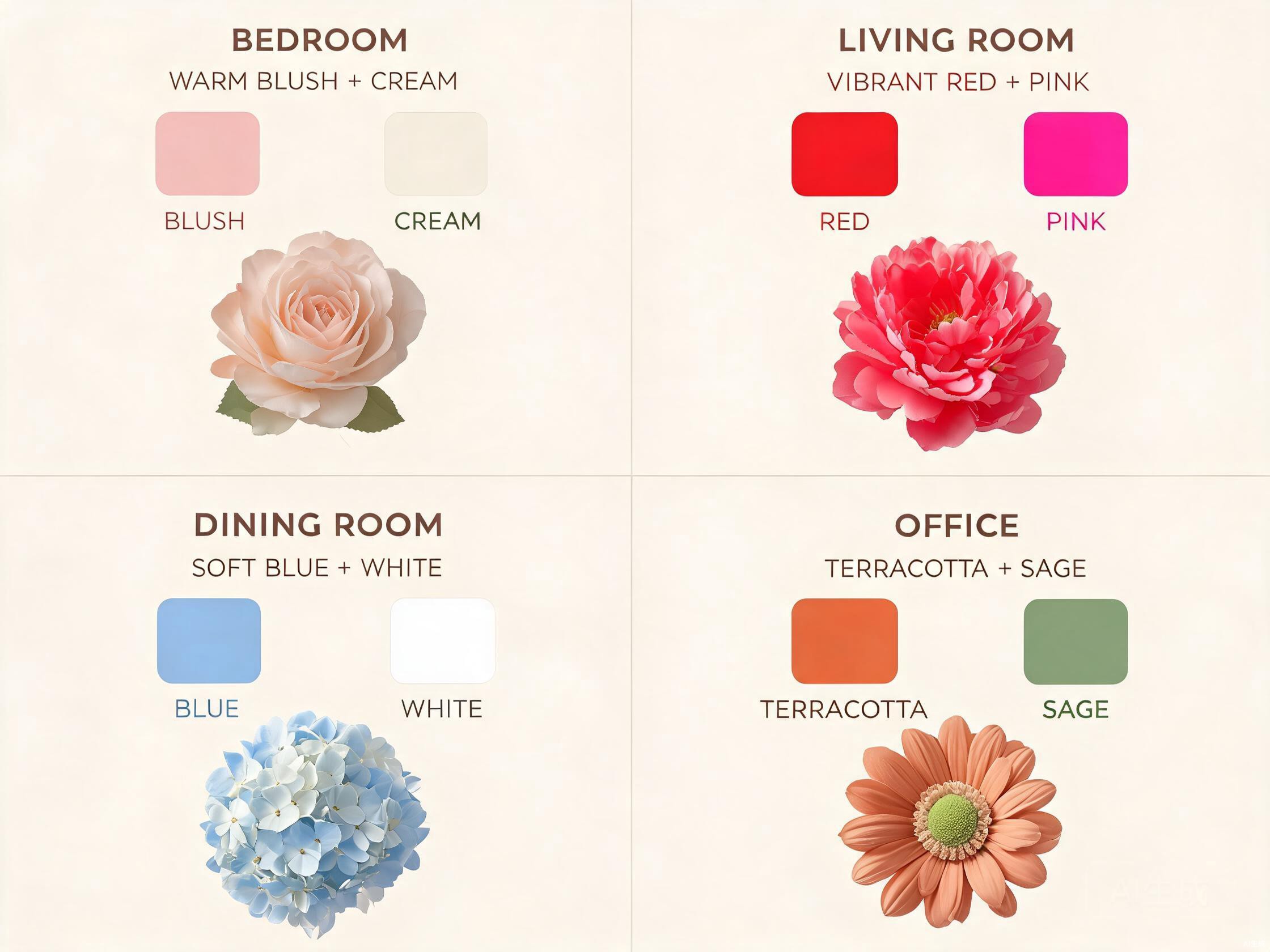
Figure 4: Color matching guide — which flower colors work best in each room
Blush & Cream
Perfect for bedrooms and bathrooms. Pairs with neutral walls, white bedding, light wood.
Red & Burgundy
Ideal for living rooms and dining areas. Pairs with dark wood, leather, rich wall colors.
Blue & Lavender
Great for bedrooms and reading nooks. Pairs with grey, white, natural textures.
Terracotta & Sage
Perfect for kitchens and offices. Pairs with stone, wood, greenery.
White & Green
Universal — works anywhere. Pairs with literally any decor style.
Yellow & Orange
Best for kitchens and entryways. Pairs with white, blue, natural light.
Seasonal Color Recommendations
- Spring: Pastel tulips, blush peonies, soft yellow daffodils
- Summer: Vibrant hydrangeas, bold sunflowers, bright pink roses
- Fall: Terracotta roses, burgundy dahlias, amber and rust tones
- Winter: White amaryllis, red poinsettias, deep green eucalyptus
How to Clean and Care for Artificial Flowers
Artificial flowers require minimal maintenance but benefit from regular dusting and occasional washing. With proper care, quality artificial flowers typically last 3-5 years indoors, and premium blooms can last 5 years or more, without fading or losing shape. The key is regular dust removal and gentle cleaning.
Weekly Care
- Dust flowers gently with a soft makeup brush or feather duster
- Use a hairdryer on the cool, low setting to blow dust off delicate petals
- Rotate the arrangement occasionally so all sides get equal light exposure
Monthly Deep Cleaning
- Silk flowers: Rinse in cool water with a drop of mild dish soap, swish gently, rinse, and air dry
- Real touch flowers: Wipe each petal with a damp microfiber cloth — do not submerge
- PE flowers: Wash under running water, shake off excess, and air dry
- All types: Never use hot water, harsh chemicals, or rubbing alcohol — these damage petal coatings
How to Reshape Flattened Flowers
If your artificial flowers get crushed or flattened in storage, hold the stem over steam from a kettle for 3–5 seconds, then gently reshape the petals with your fingers. The steam softens the material temporarily, allowing you to restore the natural curve.
How to Prevent Fading
- Keep arrangements away from direct, prolonged sunlight — and if you want to see how quickly UV damage appears, read our do faux flowers fade in sunlight? guide
- Rotate arrangements monthly to distribute light exposure evenly
- Choose UV-resistant PE flowers for sunny spots and outdoor use
- Avoid placing flowers near heat sources like radiators or fireplaces
Artificial Wedding Flowers: Save 50–70% Without Sacrificing Beauty
Artificial wedding flowers have become the smart choice for modern couples. They cost 50–70% less than fresh florals, eliminate wilting and seasonal availability issues, and can be arranged weeks in advance — see our wedding flowers on a budget guide for the full breakdown. Today’s real touch bridal bouquets are indistinguishable from fresh flowers in wedding photos.
What You Need for a Full Wedding
| Item | Fresh Flowers | Artificial | Savings |
|---|---|---|---|
| Bridal bouquet | $150–300 | $45–90 | ~70% |
| Bridesmaid bouquets (×4) | $200–400 | $60–120 | ~70% |
| Centerpieces (×10) | $500–1,500 | $150–400 | ~70% |
| Wedding arch | $300–800 | $100–250 | ~65% |
| Boutonnieres (×6) | $60–120 | $20–40 | ~67% |
| Total (estimate) | $1,210–3,120 | $375–900 | ~70% |
Advantages of Artificial Wedding Flowers
- No wilting: Perfect for outdoor summer weddings in any temperature
- Arrange in advance: Set up days before — no last-minute florist stress
- Keepsake value: The bridal bouquet lasts forever as a memento
- Any flower, any season: Get peonies in November or tulips in August
- Photo-ready: Real touch flowers look flawless in every photo, all day long
Artificial Flower Size Guide: Getting Proportions Right
Getting the right size artificial flowers is critical for a natural-looking arrangement. Flowers that are too small look lost; flowers that are too large look overwhelming. Follow these sizing rules for perfectly proportioned arrangements — our vase sizing guide works through the numbers vase by vase.
| Vase Height | Recommended Stem Length | Best For |
|---|---|---|
| 4 inches | 6–8 inches | Bud vases, nightstands, bathroom shelves |
| 6 inches | 9–12 inches | Table centerpieces, desk arrangements |
| 8 inches | 12–16 inches | Coffee tables, console tables, dining tables |
| 10 inches | 15–20 inches | Floor vases, entryway statements, large arrangements |
| 12+ inches | 18–24+ inches | Floor arrangements, wedding arches, large spaces |
How Many Stems Do You Need?
- Small vase (4–6 inches): 3–7 stems
- Medium vase (6–8 inches): 7–12 stems
- Large vase (8–10 inches): 12–20 stems
- Extra large vase (10+ inches): 20–35+ stems
Top Pick: The Safest First Purchase From This Guide
For a first buy that exercises every section above — materials, arrangement, care, and size — a mixed bouquet is the lowest-risk starting point.
- Product: 11 Stems Original Artificial Flowers Bouquet — mixed silk blooms
- Price: $46.99 with free shipping
- Why it fits this guide: covers the material, arrangement, and size guidance in one purchase
Frequently Asked Questions About Artificial Flowers
What are the most realistic artificial flowers?
The most realistic artificial flowers are real touch flowers made with latex or polymer-coated petals. These mimic the soft texture and natural translucency of real petals. Silk flowers with hand-painted details and multi-layer construction also look highly realistic.
How long do artificial flowers last?
High-quality artificial flowers typically last 3–5 years indoors with proper care, and premium real-touch or PE blooms can last 5 years or more. Keep them away from direct sunlight and clean dust regularly to extend their lifespan.
How do you clean artificial flowers?
Clean artificial flowers by dusting weekly with a soft brush or using a hairdryer on the cool setting. For deeper cleaning, rinse silk flowers in cool water with mild soap and air dry. Avoid hot water and harsh chemicals that can damage petal coatings.
Can artificial flowers be used for weddings?
Yes, artificial flowers are increasingly popular for weddings. They cost 50–70% less than fresh flowers, won’t wilt in heat, and can be arranged weeks in advance. Modern silk and real touch bridal bouquets look indistinguishable from real flowers in photos.
What size artificial flowers do I need for my vase?
Choose artificial flowers that are 1.5 to 2 times the height of your vase. For a 6-inch vase, use 9–12 inch stems. For a 10-inch vase, use 15–20 inch stems. This proportion creates a balanced, natural-looking arrangement.
Are artificial flowers eco-friendly?
Artificial flowers are eco-friendly in the long term because they eliminate the water, pesticides, and refrigerated transport required for fresh flowers. A single quality artificial arrangement replaces dozens of fresh flower purchases over its lifespan. Choose silk and PE materials over plastic for better sustainability.
Do artificial flowers look fake?
Modern artificial flowers do not look fake when you choose quality materials. Real touch flowers with polymer-coated petals, hand-painted silk flowers with multi-layer construction, and PE-molded flowers all achieve near-identical appearance to fresh flowers. Cheap plastic flowers with single-layer petals and uniform coloring are the ones that look fake.
How do you arrange artificial flowers in a vase?
Arrange artificial flowers in three layers: start with greenery stems as the base, add focal flowers like roses or peonies in the center, and finish with filler flowers like baby’s breath around the edges. Use the 1.5x height rule and bend stems naturally for a realistic look.
Ready to Find Your Perfect Artificial Flowers?
Explore BloomWitness’s full collection of lifelike tulips, roses, peonies, and hydrangeas.
By BloomWitness Editorial Team · Updated July 28, 2026
Sources: BloomWitness Inspiration Center