Quick answer: With proper care, quality silk and polymer artificial flowers typically last 3–5 years indoors, and premium real-touch blooms can exceed 5 years. That makes them one of the most durable home decor investments available. Premium silk and real touch flowers maintain their color, shape, and texture for years when kept away from direct sunlight, moisture, and extreme heat. In contrast, fresh cut flowers typically wilt within 5 to 7 days.
Key Takeaways
- →Budget silk flowers last about 1-3 years; premium silk and real-touch flowers can last 5 years or more with proper care
- →UV sunlight is the #1 cause of silk flower fading and degradation
- →Weekly dusting and proper storage help silk flowers last longer
- →Silk flowers avoid the recurring cost of replacing fresh flowers weekly over the same period
- →Never wash silk or real touch flowers with water; use a soft brush or cool air instead
How Long Do Silk Flowers Actually Last?
The lifespan of silk flowers depends heavily on material quality, placement, and maintenance. With proper indoor care, most quality artificial flowers last 3 to 5 years, while premium silk and polymer-coated pieces can maintain their look for 5 years or more.[1]
Unlike fresh flowers that follow a predictable bloom-to-wilt cycle, silk flowers degrade gradually. The most common signs of aging include color fading, petal fraying, and dust accumulation. With proactive care, you can significantly extend the life of any artificial arrangement. To understand what you are actually cleaning and storing, start with our guide to what artificial flowers are made of.
Average Lifespan by Material Type
| Material Type | Average Lifespan | Price Range | Best For |
|---|---|---|---|
| Polyester Silk (budget) | 1-3 years | $5-$15/bouquet | Temporary events, seasonal decor |
| Mid-Range Silk | 3-5 years | $15-$30/bouquet | Everyday home decor |
| Premium Silk | 5+ years | $30-$50/bouquet | Long-term displays, gifting |
| Real Touch (polymer/EVA) | 5+ years | $30-$60/bouquet | Premium decor, weddings, keepsakes |
| Fresh Cut Flowers | 5-7 days | $15-$25/bouquet | Temporary display only |
Factors That Affect Silk Flower Longevity
Several environmental and handling factors determine how long your silk flowers will last. Understanding these variables helps you maximize your investment.
- Sunlight exposure — UV rays break down fabric dyes and cause irreversible fading
- Humidity levels — High moisture warps petals and encourages mold on foam-based flowers
- Dust accumulation — Dust traps moisture and dulls colors, making flowers look older faster
- Temperature fluctuations — Extreme heat softens adhesives; cold makes petals brittle
- Handling frequency — Frequent touching transfers oils and causes petal distortion
- Material quality — Higher-grade silk and polymer coatings naturally resist wear longer
Silk Flowers vs Fresh Flowers: Lifespan Comparison
When comparing longevity, silk flowers outlast fresh flowers by a factor of hundreds. A single premium silk arrangement can replace years of weekly fresh flower purchases.[2]
Lifespan Comparison (Years)
0.02 years (5-7 days)
1-3 years
3-5 years
5+ years
Cost Comparison Over 5 Years
Replacing fresh flowers weekly is a recurring expense that adds up over the years. A premium silk arrangement is a one-time purchase that lasts for years with proper care. The savings can be significant over time.[3]
- Fresh flowers (weekly replacement): recurring cost that adds up quickly
- Premium silk flowers (one-time purchase): see product pages for current pricing
- Estimated savings: significant, though exact savings depend on your flower budget and how long your arrangement lasts
What Causes Silk Flowers to Degrade?
Silk flowers don’t wilt like fresh flowers, but they do deteriorate over time. Understanding the four primary causes of degradation helps you prevent premature aging.
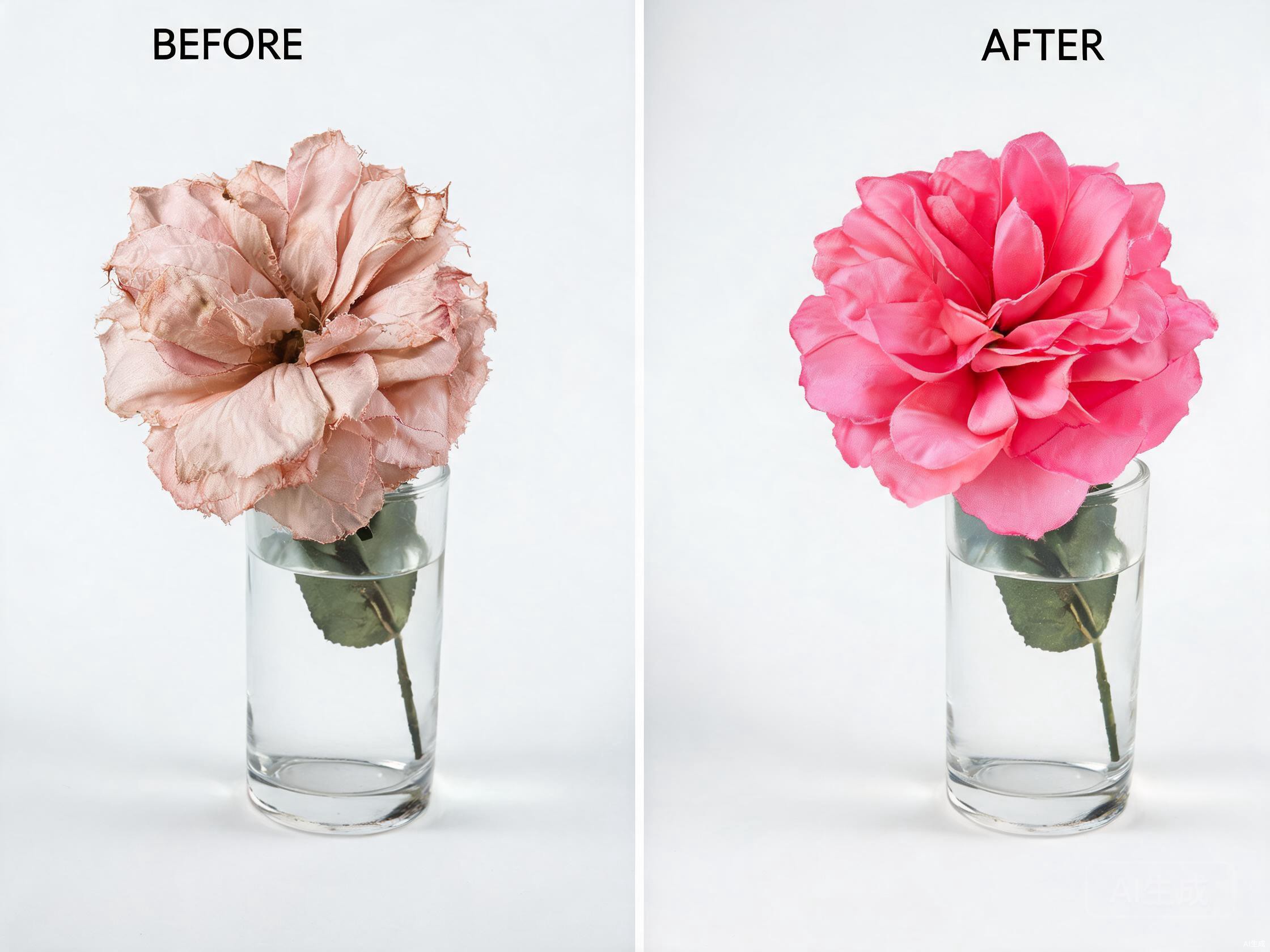
1. UV Light and Color Fading
Ultraviolet radiation is the single biggest enemy of silk flowers. UV rays break down the chemical bonds in fabric dyes, causing colors to fade and wash out. This process is irreversible and accelerates significantly in south-facing windows.
Even “UV-resistant” artificial flowers will eventually fade with prolonged sun exposure. The key is prevention: place arrangements in indirect light or use UV-protective window film.
2. Humidity and Moisture Damage
High humidity causes silk flower petals to absorb moisture, leading to warping, sagging, and color bleeding. Real touch flowers with polymer coatings are particularly vulnerable because moisture degrades the adhesive bond between layers.
Bathrooms, kitchens, and outdoor patios are the worst environments for silk flowers. If you must place flowers in humid areas, choose plastic-based options over fabric or polymer alternatives.
3. Dust Accumulation
Dust is more than a cosmetic issue for silk flowers. Layered dust traps moisture from the air, creating a microenvironment that accelerates fabric degradation. Dusty flowers also appear dull and lifeless, reducing their decorative value.
Weekly dusting with a soft brush or microfiber cloth prevents buildup. For deeper cleaning, use a hair dryer on the cool setting to blow dust out of crevices.
4. Physical Wear and Tear
Frequent handling transfers natural oils from skin to petals, causing discoloration and material breakdown. Petals can also bend, crease, or detach when flowers are moved or rearranged frequently.
Minimize handling by choosing a permanent display location. When you do need to move arrangements, support the stem base rather than gripping the blooms.
How to Make Silk Flowers Last Longer
With the right care routine, you can extend the life of silk flowers well beyond their average lifespan. These proven strategies protect your investment and keep arrangements looking fresh for years.
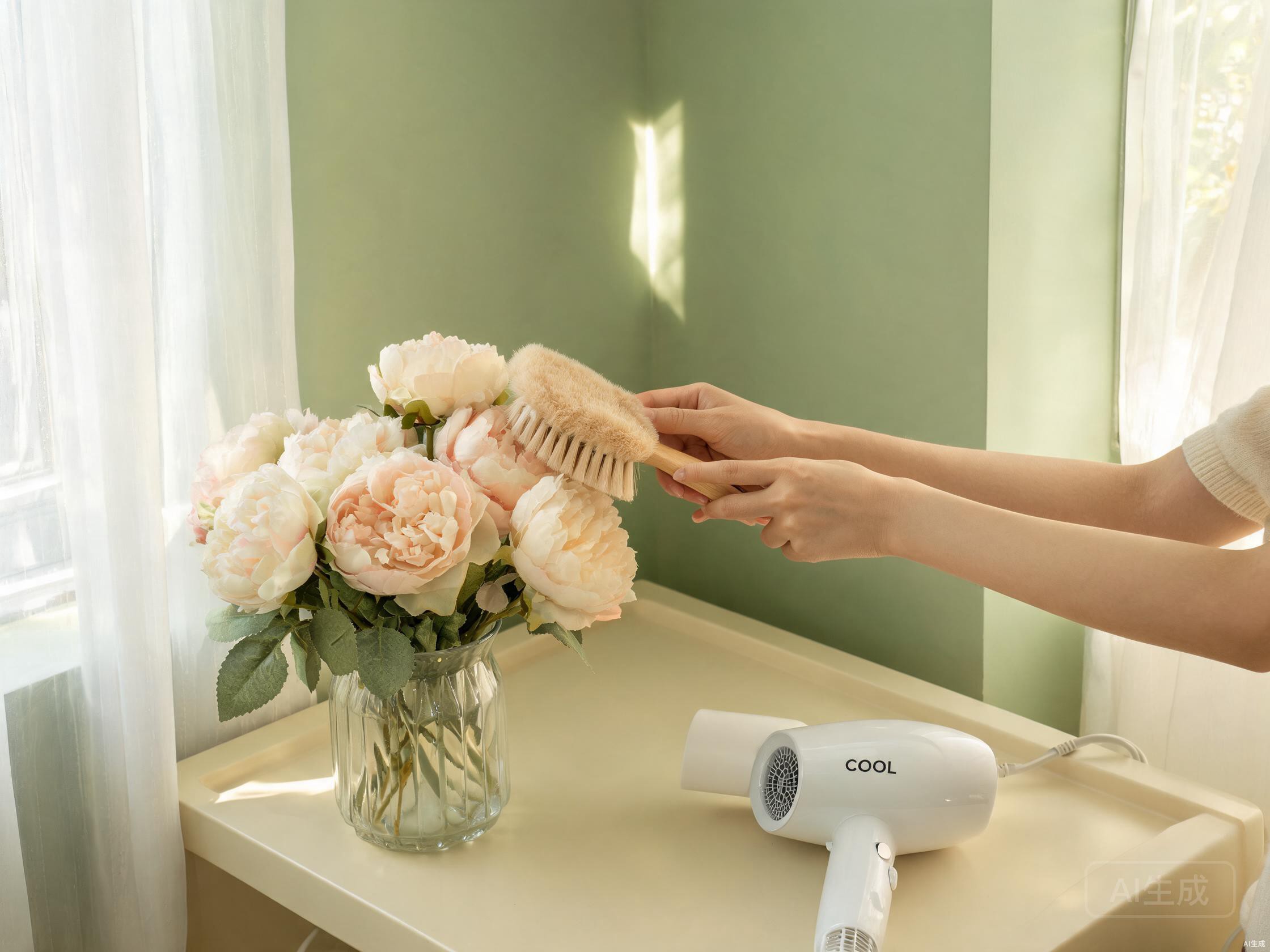
Proper Cleaning Methods — for a step-by-step routine, see our how to clean artificial flowers guide.
Cleaning silk flowers correctly is the most impactful maintenance task. Use these methods in order of frequency:
- Weekly: Dust gently with a soft-bristle brush or microfiber cloth
- Monthly: Blow dust from crevices using a hair dryer on the cool setting
- Quarterly: Wipe stems and leaves with a barely damp cloth (never wet petals)
- Never use: Water, chemical cleaners, hot air, or abrasive cloths on silk or real touch flowers
Smart Placement Strategies
Where you display silk flowers has a massive impact on their lifespan. Follow these placement rules to maximize longevity:
- Avoid direct sunlight — choose north-facing windows or interior walls
- Keep away from heat sources like radiators, fireplaces, and heating vents
- Avoid humid rooms — bathrooms and kitchens accelerate degradation
- Rotate arrangements monthly for even light exposure
- Place out of reach of children and pets to prevent physical damage
Storage Best Practices
When storing seasonal silk flower arrangements, proper technique prevents crushing, fading, and pest damage. Follow these storage guidelines:
- Store in original packaging whenever possible
- Wrap individual stems in acid-free tissue paper to prevent color transfer
- Use sturdy cardboard or plastic containers — never compress flowers
- Keep in a dry, climate-controlled space (60-70°F, 30-50% humidity)
- Avoid basements and attics where temperature fluctuates dramatically
- Add silica gel packets to control moisture inside storage containers
Pro Tip: If silk flower petals become misshapen during storage, use a hair dryer on the cool setting to gently reshape them. Never use hot air, which can melt polymer coatings and permanently damage the petals.
Signs It’s Time to Replace Your Silk Flowers
Even with excellent care, silk flowers eventually show their age. Watch for these clear indicators that an arrangement has reached the end of its lifespan:
- Visible fading — Colors look washed out or significantly lighter than original
- Petal fraying — Edges of fabric petals are unraveling or separating
- Permanent dust stains — Dust has bonded to the fabric and won’t brush off
- Loss of shape — Petals or leaves are permanently bent and won’t hold their form
- Discoloration — Yellowing or dark spots appear on lighter-colored flowers
- Stem damage — Wire stems are bent, exposed, or rusting
Most of these signs appear after 5+ years for premium flowers, or 2-3 years for budget options. When two or more signs are present, it’s time to consider replacing your arrangement.
Are Silk Flowers Worth the Investment?
Silk flowers are one of the most cost-effective home decor investments you can make. One premium arrangement can replace years of weekly fresh-flower purchases.[3]
Beyond cost savings, silk flowers offer practical advantages that fresh flowers cannot match:
- Zero maintenance — No watering, no trimming, no water changes
- No seasonal limitations — Any flower type available year-round
- Allergy-friendly — No pollen or fragrance to trigger sensitivities
- Predictable aesthetics — Arrangements look identical on day 1 and day 1,000
- Sustainable choice — One arrangement replaces hundreds of fresh flower bouquets
- Keepsake value — Wedding bouquets and special occasion flowers last forever
Recommended: The BloomWitness Hydrangea Real Touch combines polymer-coated petals with hand-painted coloring — see the product page for current pricing and stock. With proper care, this arrangement can maintain its beauty for 5+ years.
Top Pick: A Bouquet Built to Reach the Five-Year Mark
For silk flowers that still hold their shape after seasons of dusting, the Original Bouquet uses the hand-finished construction this guide recommends — wire-stemmed, layered petals that fluff back into place.
- Product: 11 Stems Original Artificial Flowers Bouquet — mixed silk blooms
- Price: $46.99 with free shipping
- Why it fits this guide: built for the 3-to-5-year lifespan and dry-only care described above
Frequently Asked Questions
How long do silk flowers last?
With proper care, silk flowers typically last 3-5 years indoors, and premium silk or real-touch flowers can last 5 years or more. Budget polyester flowers usually last about 1-3 years. Keep them away from direct sunlight, moisture, and heat to preserve their color and shape.
Do silk flowers fade in the sun?
Yes, silk flowers fade when exposed to direct sunlight. UV rays break down fabric dyes over time, causing colors to look washed out. For signs of damage and prevention, see our do faux flowers fade in sunlight? guide. To prevent fading, place silk flowers away from windows or use UV-protective window film.
Can silk flowers get wet?
Most silk flowers should not get wet. Water can damage the fabric, cause colors to bleed, and warp petal shapes. Real touch flowers with polymer coatings are especially sensitive to water. Clean silk flowers with a soft brush or cool air from a hair dryer instead.
How do you clean silk flowers?
Clean silk flowers by dusting weekly with a soft brush or microfiber cloth. For deeper cleaning, use a hair dryer on the cool setting to blow away dust. Avoid water, chemical cleaners, and hot air, which can damage the fabric and colors.
Are silk flowers worth the investment?
Yes. A quality silk arrangement lasts for years with proper care, which makes it a cost-effective alternative to replacing fresh flowers weekly. See our product pages for current pricing, and note that lifespan figures are industry estimates — exact durability varies by material, care, and environment.
What is the difference between silk flowers and real touch flowers?
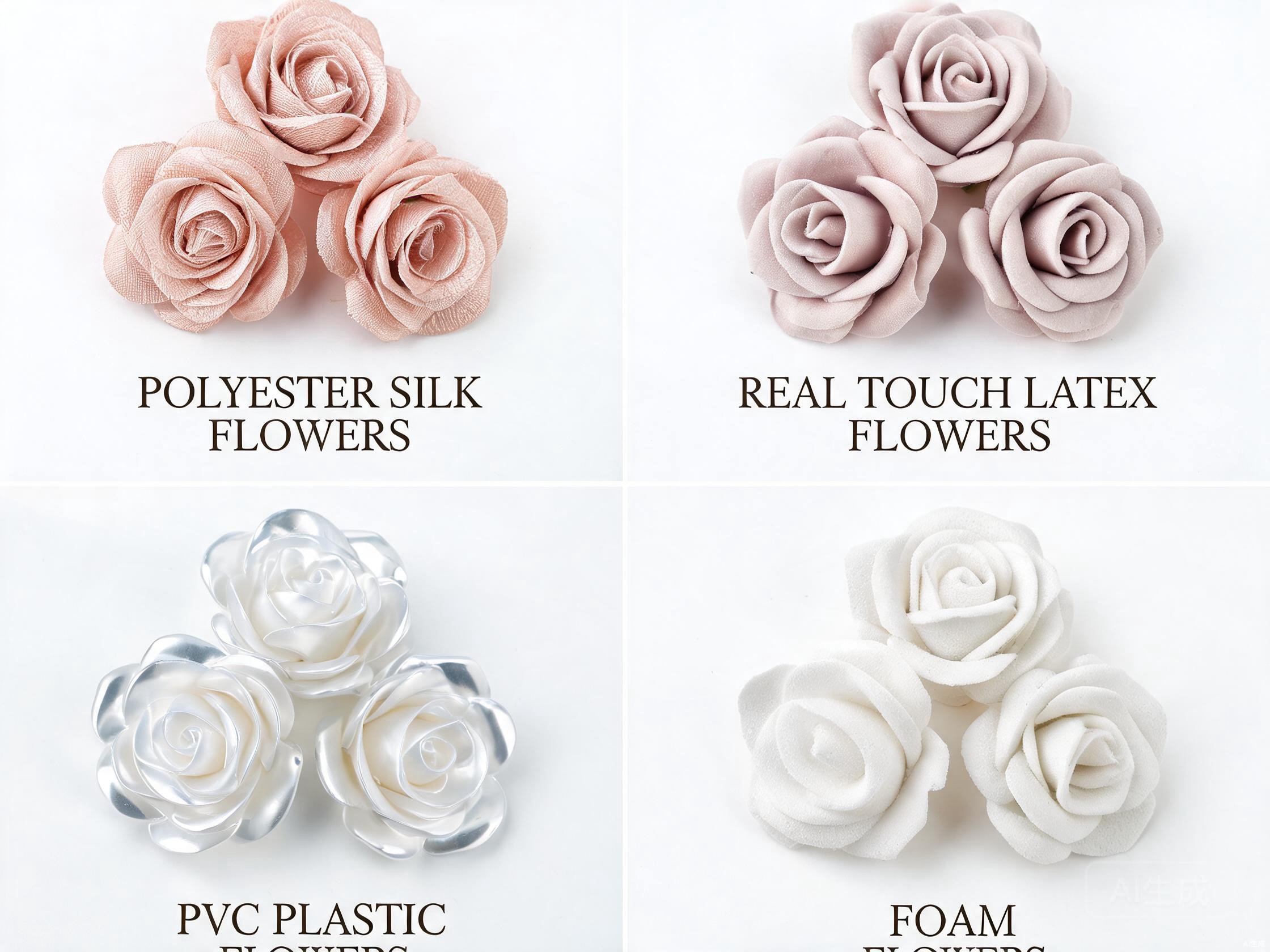
Silk flowers are made from polyester fabric with a woven texture. Real touch flowers use advanced polymer coatings and EVA materials that feel soft and velvety like real petals. Real touch flowers cost more but last longer and look more realistic.
How should I store silk flowers long-term?
Store silk flowers in their original packaging or wrap them in acid-free tissue paper. Keep them in a dry, climate-controlled space away from direct sunlight. Avoid basements and attics where temperature and humidity fluctuate significantly.
smallletters
Floral Design Specialist at BloomWitness
Make your next arrangement the one that lasts.
The Original Bouquet is built for years of dust-and-fluff maintenance — $46.99 with free shipping and 30-day returns.
Sources
External references are provided for general context on materials and lifespan. BloomWitness guides reflect the brand’s own perspective; lifespan figures are industry estimates — exact durability varies by material, care, and environment.
- Alibaba Plantin Buying Guide, “How to Choose the Best Artificial Flowers for Your Home or Event” — notes that with proper care, indoor silk flowers can last 5–7 years or longer, while UV-treated polyester is typically rated for 3–5 years outdoors. https://plantin.alibaba.com/buyingguides/artificial-flawers
- Silver Bobbin, “Does Polyester Fabric Fade in Sunlight or When Washed?” — explains how UV radiation breaks down dye molecules (photodegradation), and that silk and natural-fiber textiles fade faster than polyester, which is why keeping flowers out of prolonged direct sunlight matters. https://silverbobbin.com/does-polyester-fade/
- BloomWitness, Silk vs Real Flowers: Which is Better for Weddings? Cost and lifespan comparison presented from a brand perspective. https://www.bloomwitness.com/silk-vs-real-flowers-which-is-better-for-weddings/