Walk into any modern home or scroll through interior design inspiration, and you’ll notice artificial flowers have shed their dated reputation to become sophisticated decor staples. Today’s faux blooms offer year-round beauty without the maintenance of fresh-cut stems. But at the heart of this floral renaissance lies an important choice: silk flowers or plastic flowers?
The material you select does far more than influence price point. It shapes how your arrangement will look, feel, and age over time. Both silk and plastic artificial flowers have their merits, but understanding the distinct characteristics of each can help you make the perfect choice for your space and lifestyle.
Quick Verdict
Choose silk flowers for indoor spaces where realism and elegance matter most, living rooms, dining tables, weddings, and upscale events. Their fabric texture, color depth, and natural drape make them nearly indistinguishable from real blooms up close.
Choose plastic flowers for outdoor use, high-traffic commercial areas, and budget-conscious projects. Their UV resistance, weatherproof construction, and easy maintenance make them the practical workhorse of the artificial flower world.
Best of both worlds: Blend premium silk blooms with durable plastic greenery for arrangements that combine lifelike beauty with long-lasting structure.
Key Metrics at a Glance
Six critical factors compared side by side to give you an instant overview.
Elegant
Durable
Understanding the Materials
What Are Silk Flowers?
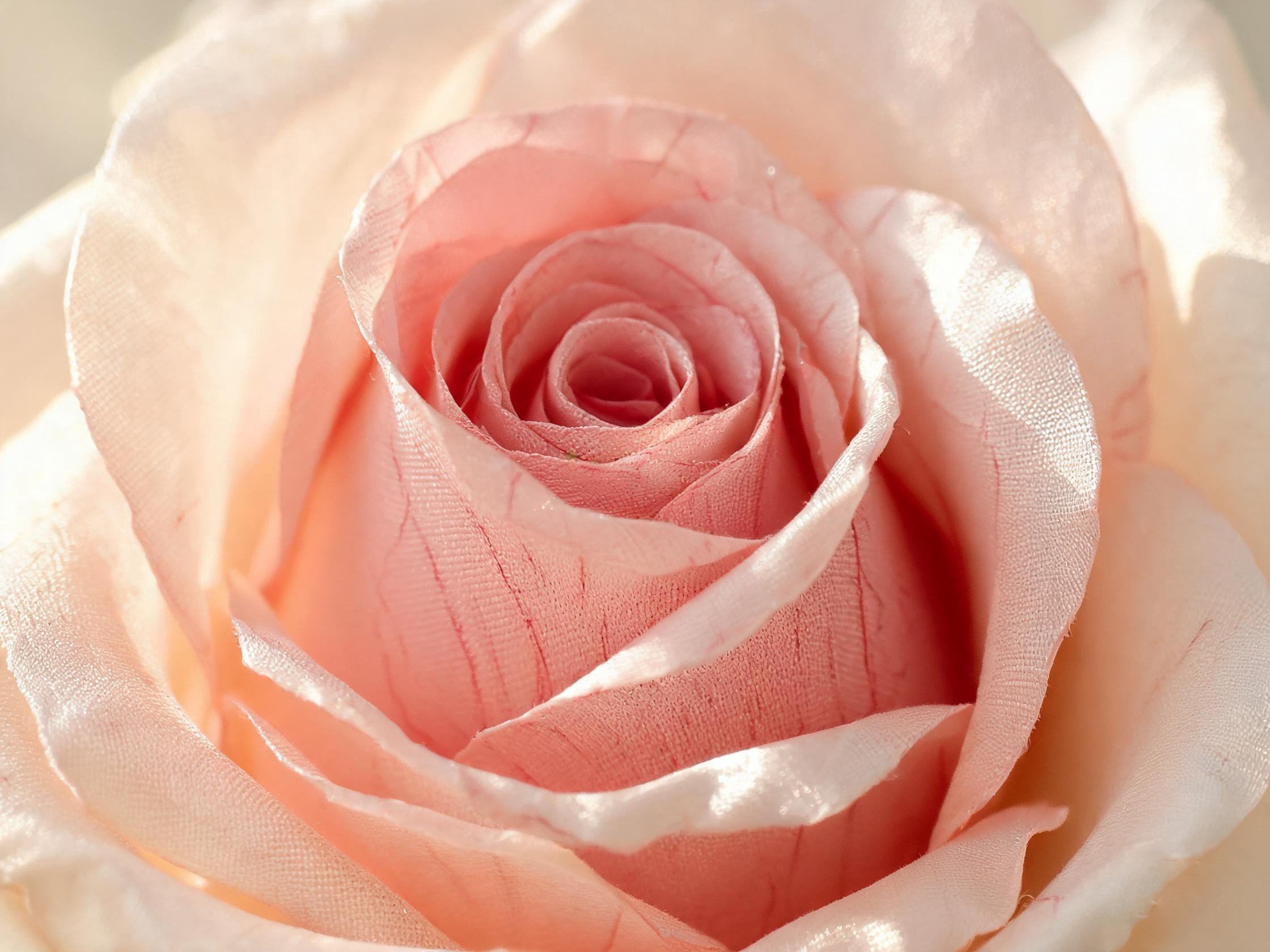
Despite their name, modern silk flowers aren’t typically made from pure silk. Today’s silk flowers are crafted from high-quality synthetic fabrics, primarily polyester and rayon blends, specially treated to mimic the delicate texture and subtle sheen of natural flower petals. These premium materials allow for intricate details like color variations, realistic veining in leaves, and the gentle translucency seen in real flowers.
The manufacturing process is a blend of advanced technology and meticulous handcrafting. Each petal is precision-cut from fabric, then shaped and assembled by skilled artisans who understand the natural growth patterns of real flowers. Many high-end silk flowers undergo multiple stages of hand-finishing, including careful color gradients painted by hand, heat-treating to create natural-looking curves, and strategic wire placement for realistic stem positioning.
Key advantages: Realistic appearance with smooth natural drape, vibrant color depth and texture, lightweight and easy to arrange. Key drawbacks: Sensitive to moisture and sunlight causing fading, higher cost compared to synthetic materials — see how quickly sun damage appears in our do faux flowers fade in sunlight? guide.
What Are Plastic Flowers?
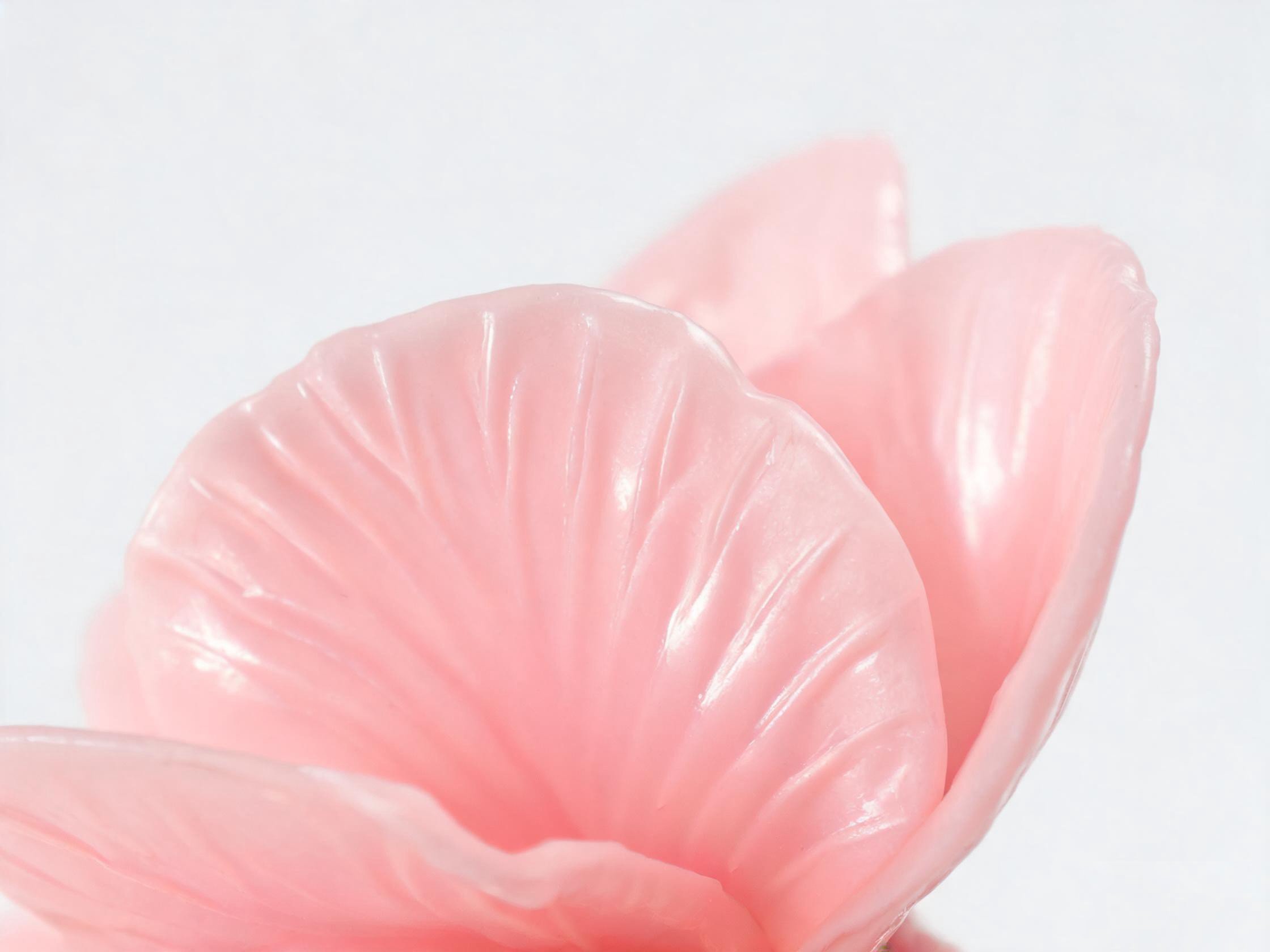
Plastic artificial flowers are typically manufactured using various polymer materials, with polyethylene (PE) and polyvinyl chloride (PVC) being the most common. Modern manufacturing techniques have revolutionized plastic flowers, enabling the creation of incredibly detailed molds that capture subtle textures of real petals. Unlike their stiff predecessors, today’s plastic flowers can feature thin, pliable petals with surprising realism.
These flowers are produced through injection molding, where heated plastic is precisely shaped using advanced molds. While this process is largely automated, higher-quality plastic flowers often receive additional treatments like multi-layer color applications and texture finishing. The material’s durability makes it particularly suitable for outdoor arrangements, high-traffic areas, and locations exposed to varying temperatures or humidity levels.
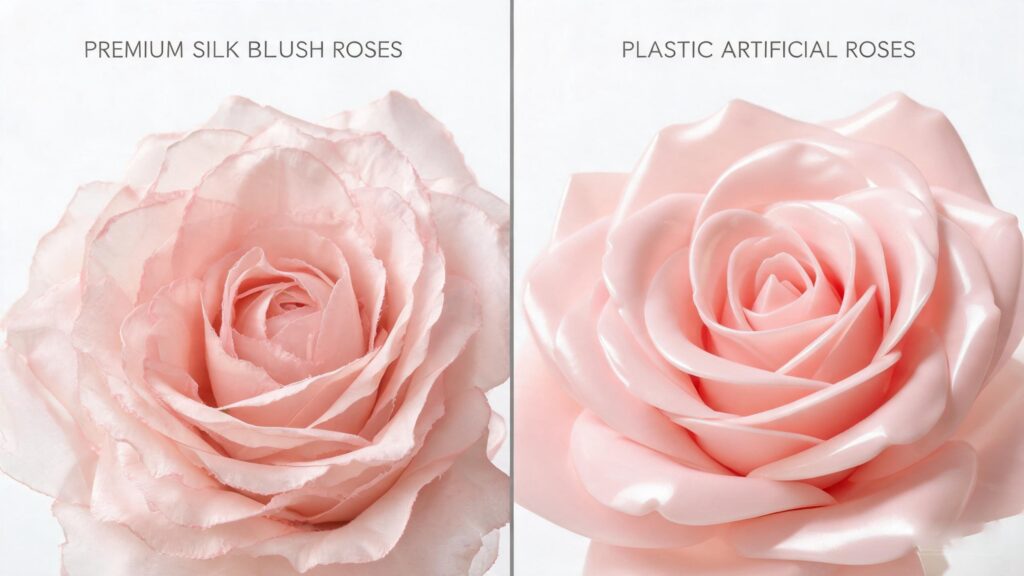
Key advantages: Outstanding durability, weather and UV resistance, easy to clean, affordable. Key drawbacks: Less realistic up close, may appear slightly stiff or glossy, limited texture variation compared to silk.
Detailed Comparison Table
Feature-by-feature breakdown across 10 critical dimensions.
| Feature | Silk Flowers | Plastic Flowers |
|---|---|---|
| Material Composition | Polyester & rayon blends, hand-dyed fabric | Polyethylene (PE) or PVC, injection-molded |
| Realism & Texture | Superior, natural drape, translucent petals, color gradients | Good from a distance; slightly glossy and uniform up close |
| Durability (Indoor) | Moderate, delicate fabric can fray or fade | Excellent, resists bending, breaking, and petal loss |
| UV / Sunlight Resistance | Low, fades in 2-4 months without UV coating | High, maintains color up to 3+ years with UV treatment |
| Water / Moisture Resistance | Sensitive, absorbs moisture, loses shape | Waterproof, no absorption, retains shape |
| Maintenance Level | Moderate, gentle dusting, specialized cleaners | Easy, rinse under water, wipe with damp cloth |
| Average Lifespan | 3-5 years (5+ premium) | 3-5 years (indoor); 2-5 years (outdoor) |
| Price Range (per stem) | $10-$35, premium up to $60+ | $5-$20, budget options from $5 |
| Best Use Case | Indoor decor, weddings, centerpieces, formal settings | Outdoor patios, commercial spaces, high-traffic areas |
| Environmental Impact | Synthetic fabric, not biodegradable, but reusable for years | Fossil fuel-derived, non-biodegradable, microplastic risk if discarded |
“Today’s high-end faux botanicals are made from premium silks, polyesters, and latex blends so realistic, you’ll find yourself apologizing to them for forgetting to water. These materials actually absorb dye, creating natural gradients that mimic the soft bruising and blushing of real petals.
— Rinlong Flower, The Ultimate 2025 Guide to Realistic Silk Decor
Durability & Maintenance Guide
Silk Flowers: Fragile Elegance
Silk flowers require careful attention to maintain their sophisticated appearance. The delicate fabric is susceptible to environmental factors: direct sunlight causes fading and color deterioration (often affecting darker colors first), the fabric’s texture tends to trap dust particles more readily than smooth surfaces, and high humidity can affect the shape and texture of silk petals.
Care tips for silk flowers:
- Dust regularly using a soft feather duster or compressed air
- Store arrangements away from direct sunlight when not in use
- Use a gentle silk flower cleaning solution every few months
- Avoid placing in bathrooms or near air conditioning vents
- Reshape petals carefully with steam from a clothes steamer
- Store in covered containers during off-seasons to prevent dust buildup
Plastic Flowers: Sturdiness and Longevity
Plastic artificial flowers excel in durability, making them a practical choice for challenging environments. Modern plastic flowers can withstand various weather conditions, making them ideal for outdoor spaces. UV-resistant materials help maintain color vibrancy even in direct sunlight. Unlike silk, plastic flowers won’t wilt or lose shape in humid environments, and they can handle occasional rain or water exposure without damage.
Care tips for plastic flowers:
- Rinse under lukewarm water to remove dust and debris
- Wipe with a damp microfibre cloth for quick cleaning
- Use mild soap solution for stubborn dirt
- Shake gently to remove excess water
- Allow to air dry completely before returning to display
- Annual deep cleaning in warm, soapy water for optimal longevity
Environmental Impact: The Sustainability Question
Both silk and plastic artificial flowers are made from synthetic materials derived from fossil fuels and are not biodegradable. Manufacturing a faux bouquet generates approximately 29.1 kg of CO2, roughly three times the manufacturing footprint of a fresh bouquet. However, the picture changes dramatically when you factor in logistics and reuse.
Fresh-cut flowers are typically flown in refrigerated air freight, which emits enormous carbon per ton-kilometer. Artificial flowers travel by sea freight, which emits 98% less carbon per ton-kilometer than air freight. When you reuse artificial flowers for 3-5 years, the amortized carbon footprint drops well below that of regularly purchasing fresh flowers.
Eco-conscious buyers should also consider that well-made silk flowers reduce waste associated with short-lived bouquets. While not biodegradable, durable artificial blooms prevent frequent disposal and transportation emissions linked to perishable florals. The key environmental principle: buy quality once and use for years, rather than replacing cheap flowers frequently. For the full carbon-footprint comparison, read our are fake flowers eco-friendly? guide.
Cost Analysis: True Value Over Time
Artificial flowers are generally categorized into three pricing tiers. The budget tier ($5-$20) includes mass-produced plastic or thin fabric blooms suitable for short-term use or craft projects. The mid-range tier ($20-$60) offers better fabric quality, improved realism, and sturdier stems, ideal for home decor and occasional events. The premium tier ($60+) features hand-assembled silk flowers with layered petals, realistic veining, and flexible wiring, often sold by specialty florists or designer brands.
The most insightful metric is cost-per-year. A $50 premium silk arrangement lasting five years costs just $10 annually, far less than monthly $20 fresh bouquets ($240/year). Even a $30 plastic arrangement lasting seven years costs only $4.30 per year. Value isn’t always tied to price; some mid-tier brands offer excellent realism at a fraction of premium costs.
For comparison, a single fresh rose from a local florist costs $3-$8 depending on seasonality. A modest arrangement of five fresh roses would cost $15-$40 and begin to droop within 48 hours. In contrast, a pack of five silk fabric roses retails for around $4.50-$12 and lasts for years.
Top Pick: Real-Touch Silk, the Middle Ground This Guide Recommends
If this comparison has you on the silk side, real-touch polymer coating over polyester silk gives the softness of silk with a stronger surface than plain plastic.
- Product: 6 Stems Real Touch Hydrangea Bouquet — lifelike faux silk blooms
- Price: $35.99 with free shipping
- Why it fits this guide: silk realism with a polymer surface that shrugs off the plastic “sheen” problem
Shop the Real Touch Hydrangea Bouquet →
Frequently Asked Questions
Final Verdict
The choice between silk and plastic artificial flowers ultimately comes down to your unique needs and preferences. There is no one-size-fits-all answer, but there is a right answer for every situation:
Choose Silk If…
You want maximum realism for indoor spaces, formal events, or weddings. You’re willing to invest in quality and provide gentle maintenance. Your arrangement will be viewed up close.
Choose Plastic If…
You need durability for outdoor spaces, high-traffic areas, or commercial settings. You want easy maintenance and budget-friendly options. Weather resistance is your priority.
Remember, you don’t have to choose just one. Blending both silk and plastic flowers can give you the perfect balance of aesthetics and functionality. With thoughtful selection, your artificial flowers can elevate your space, bringing beauty and charm without the hassle of live plants.
Ready to Find Your Perfect Flowers?
Explore BloomWitness’s collection of premium silk and real-touch artificial flowers, handcrafted for lifelike beauty that lasts 3-5 years.