Key Takeaways
Silk flowers began as palace tributes in ancient China and crossed the world over a thousand years. Here is the full history — and why today's "silk flowers" are almost never made of silk.
The silk flowers on your shelf have a longer, stranger story than any fresh bouquet in a vase. Their ancestors were palace tributes, French royal gifts, and Victorian hair ornaments — and the journey from hand-stitched luxury to modern home decor took more than a thousand years.
This is the history of silk flowers: where they began, how they crossed the world, and why the ones you buy today are almost never made of silk.
Chapter 1: Born in China, Made for Emperors
Silk flowers began in China, where silk itself had been produced for over 3,000 years. Early artisans discovered that silk’s softness, sheen, and flexibility made it the perfect material for recreating delicate petals — and those early blooms were not decorations. They were luxury items, reserved for royalty and nobility.
By the Tang Dynasty, the craft reached a level of sophistication that palace workshops guarded closely. One celebrated tradition, Beijing Silk Flowers, is recognized today as a national intangible cultural heritage of China. Fine materials like satin and gauze passed through more than a dozen meticulous processes — laminating, cutting, hand-dyeing, shaping, assembling — to become a single bloom.
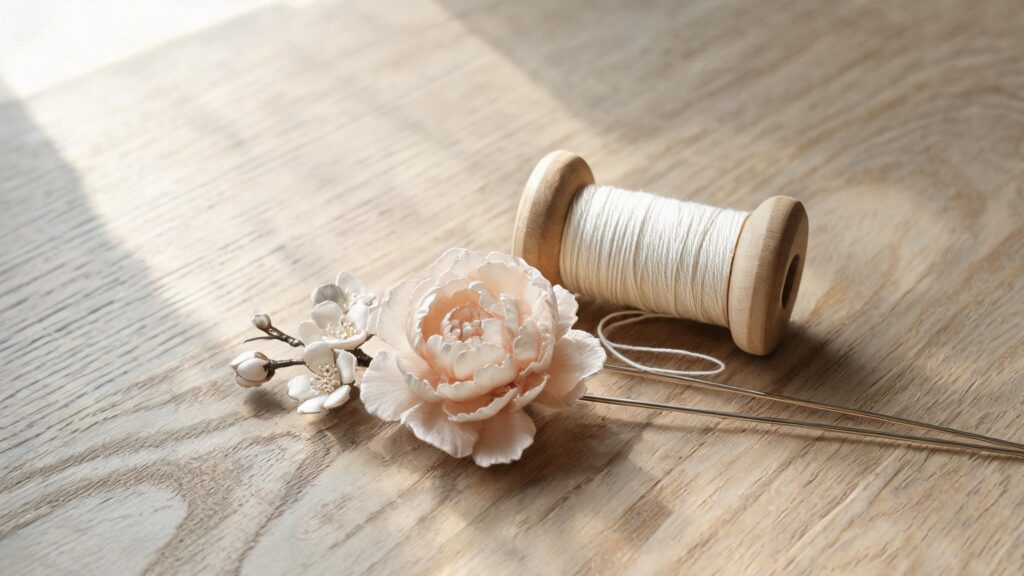
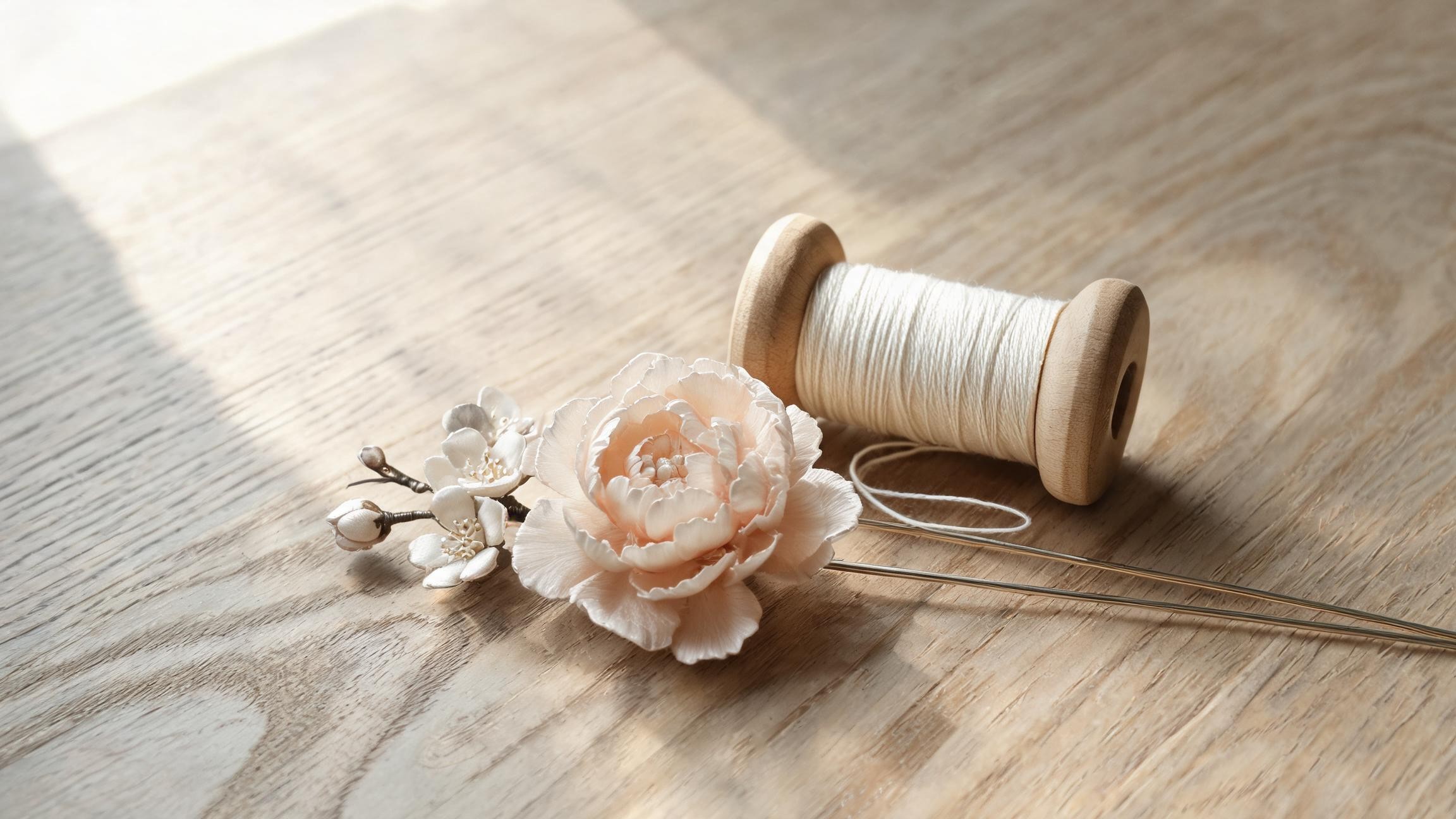
Alongside fabric flowers, a related art called ronghua (绒花) was built from fluffed mulberry silk threads wound over wire frames. The name matters: ronghua sounds like the Chinese words for “glory and prosperity,” so these flowers were worn as symbols of good fortune, not just beauty. Peonies signified wealth, chrysanthemums longevity, and plum blossoms resilience.
For centuries, “silk flowers” meant flowers made of real silk — precious, handcrafted, and loaded with meaning.
Chapter 2: The Silk Road Sends Them West
The techniques traveled with the same trade routes that carried silk itself. From China the craft moved to Japan, Korea, and Southeast Asia, then across the Silk Road to Europe.
- 12th century Italy — artisans began assembling dyed, velvet-like blooms from silkworm cocoons, and sold them commercially. The Chinese had made flowers for art; the Italians made them a business.
- 14th century France — French workshops overtook their neighbors and became the craft’s finest. They kept improving both the fabrics and the finish.
- 1775 — Marie Antoinette was presented with a silk rosebud so perfect it was said to make her faint. Whether the story is true or not, it captures how convincing the craft had become.
The French Revolution scattered many flower artisans to England, and by the early 1800s settlers had carried the craft to America.
Chapter 3: Victorian Excess and the Language of Flowers
The Victorian era was the great explosion of floral arts — live and artificial alike. Every table and mantelpiece carried flowers, and “the language of flowers” grew into a near-cult: bouquets carried coded messages, and artificial blooms took part in the conversation.
Victorian makers used more materials than any generation before them: satin, velvet, calico, muslin, cambric, crepe, and gauze, alongside wood, porcelain, palm leaves, and metal. Wax flowers became their own art form. Hair flowers were made from human hair to commemorate the dead. Flowers were even stitched into mourning jewelry and bridal gowns.
In the United States, silk and other artificial flowers supplied milliners, dressmakers, and room decorators through firms like the Parisian Flower Company — which sold separate stems and arrangements precisely so households could build their own displays.
Chapter 4: Industrialization — The Flower Gets Cheaper
Every revolution has a button price point. In the 20th century, artificial flowers stopped being a craft product for the wealthy and became a category for everyone.
The key shift was material. Real silk is expensive — far too costly for large-scale production. Manufacturers replaced it with polyester fabric, which imitates silk’s shine and drape at a fraction of the cost, plus plastic and foam for structure, flocked coatings for soft textures, and eventually “real-touch” finishes engineered to feel almost like fresh petals.
Today the term “silk flower” survives mostly as a category name. The industry that produces modern permanent botanicals is multi-billion-dollar, with much of the hand labor concentrated in Thailand, China, and Honduras — a quiet echo of the craft’s origins.
For a full breakdown of what modern artificial flowers are actually made of, see our materials guide.
Are Silk Flowers Real Silk? The Honest Answer
Historically, yes — silk flowers were made of genuine silk. Today, almost none are.
Language simply evolved. “Silk flowers” no longer describes the material; it describes a category: artificial flowers made from fabric or fabric-like materials. Modern industry terms like artificial flowers, faux flowers, and permanent botanicals all refer to the same family of products.
Traditional handmade silk flowers still exist — especially Beijing and Nanjing craftsmanship — and are considered collectible art rather than everyday decor. They use genuine silk and entirely handmade processes. But if you buy “silk flowers” from a home decor store, the petals are almost certainly polyester. This is why a meticulous version of the question is answered in detail in our closer look at silk fabric flowers.
What This History Means for Today’s Buyers
Knowing the history changes how you shop — especially because it clarifies what “quality” means.
- Traditional/cultural value — genuine handmade silk flowers are unique, artistic pieces. Expect artisan price points and treat them as collectibles.
- Everyday decor — polyester and mixed-material flowers are practical, affordable, and easy to care for. Most home shoppers belong here, and quality varies enough that a selection checklist is worth reading first.
- Realism — look for real-touch finishes for the most lifelike appearance and feel. Our real-touch vs. silk explanation covers the trade-offs.
The two material questions that dominate modern buying decisions are silk-look vs. plastic and whether artificial flowers can last long enough to justify the price. Both read like modern engineering problems — but both inherit a thousand-year history of trying to make one flower last.
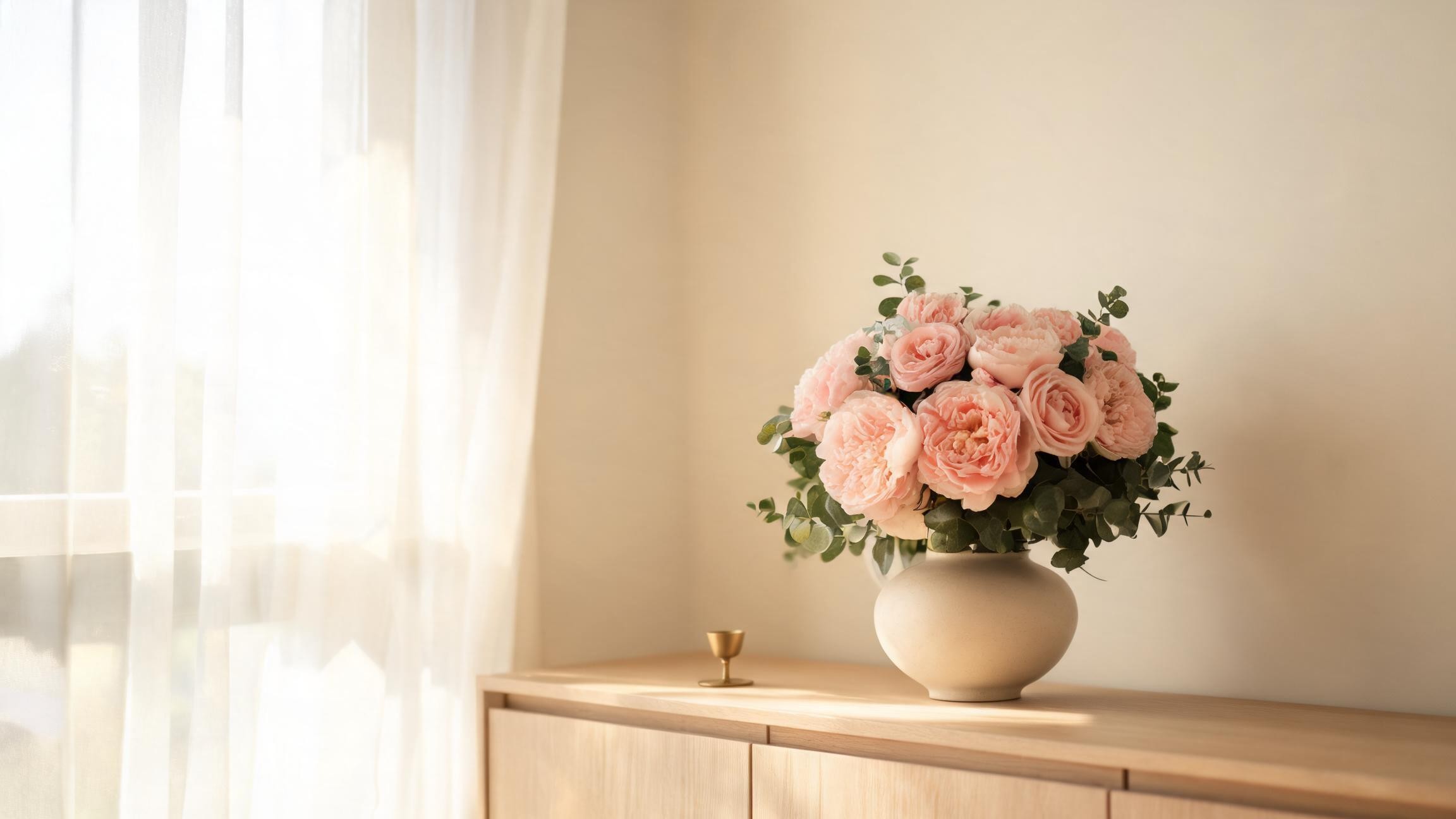
Top Pick: The Silk Flower That Carries This History Forward
If this history has you leaning toward silk, real-touch silk flowers are the modern descendant of the hand-finished blooms described in the chapters above.
- Product: 6 Stems Real Touch Hydrangea Bouquet — lifelike faux silk blooms
- Price: $35.99 with free shipping
- Why it fits this guide: polymer-coated silk continues the hand-finishing tradition this history traces
Shop the Real Touch Hydrangea Bouquet →
The Bottom Line
Silk flowers were invented because people wanted beauty that outlasts a single season — the same reason anyone buys an artificial bouquet today. The materials have changed from hand-dyed silk to engineered polyester, but the intent never did.
Whether you choose a bloom for the story or the staying power, the practical advice is the same: select for realism, build, and how the flower behaves in your space over a full year. That’s the whole lesson of a thousand years of making flowers that don’t fade.
Browse the peonies, roses, and hydrangeas in the BloomWitness collection — engineered to look alive, built to outlast the season, priced to make the history worth repeating.
Related: Inside BloomWitness: how we select and craft lifelike florals