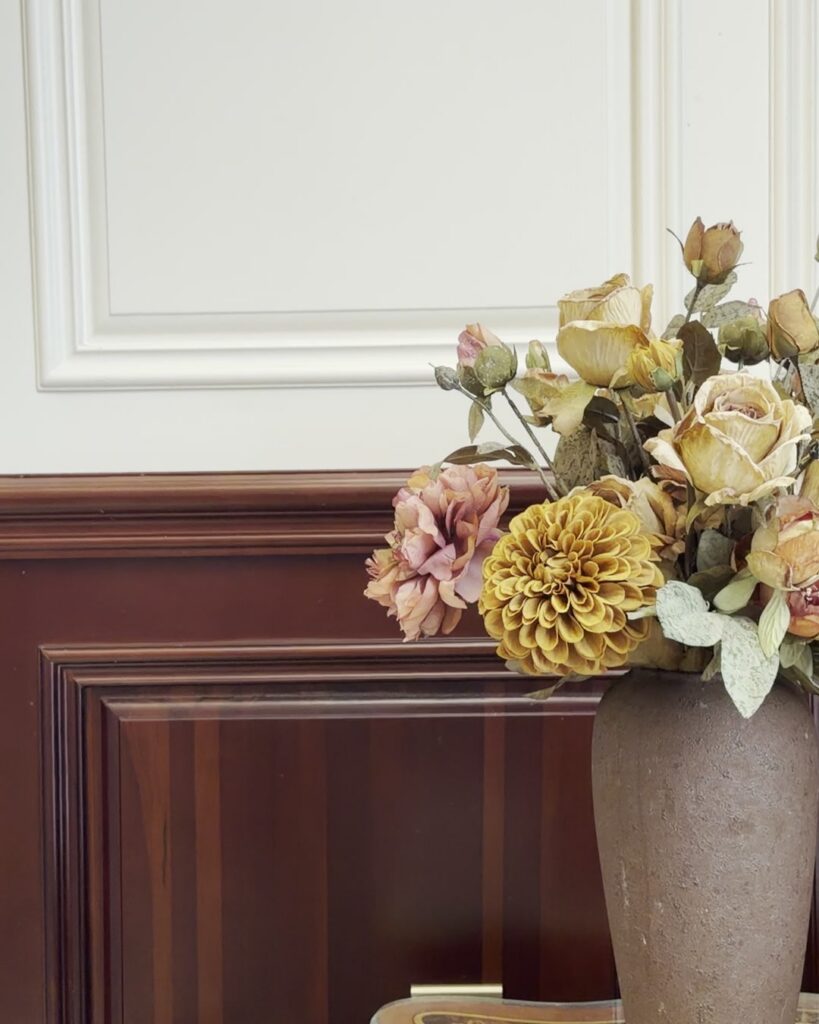
Inside BloomWitness: The Craftsmanship Behind Real-Touch Artificial Flowers
A look inside BloomWitness — three layers of hand-dyeing, 3D biomimetic modeling, and over 80% handcrafted production behind our real-touch artificial flowers.
Success
Added to cart successfully
A look inside BloomWitness — three layers of hand-dyeing, 3D biomimetic modeling, and over 80% handcrafted production behind our real-touch artificial flowers.
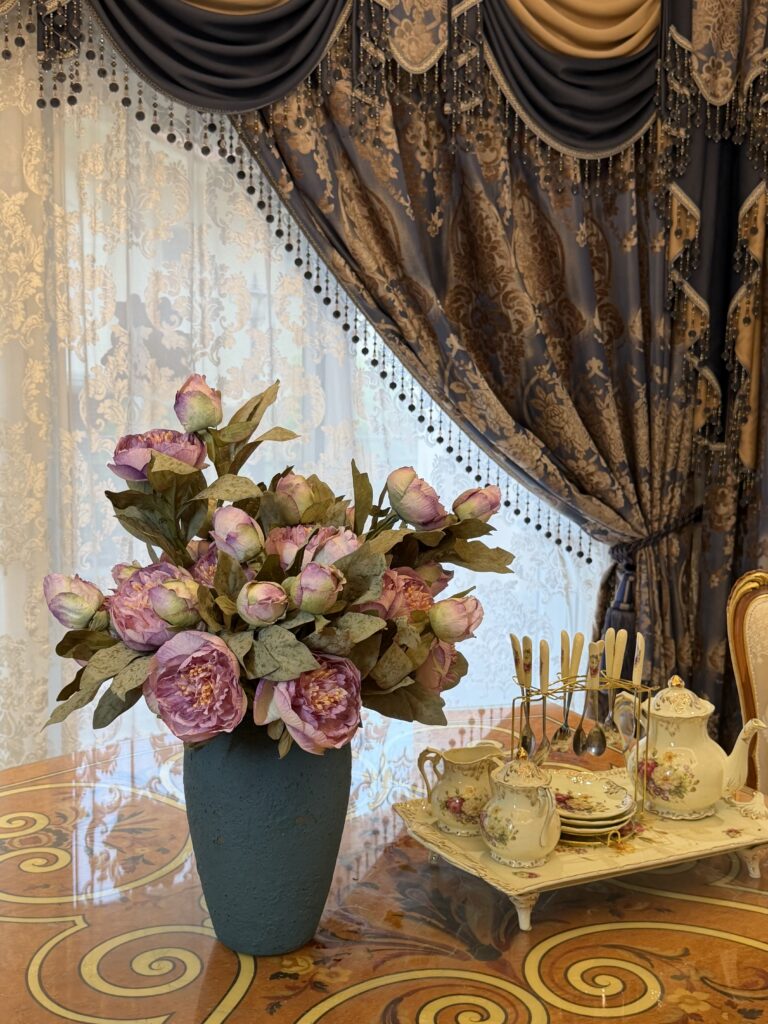
A step-by-step guide to cleaning artificial flowers — dry dusting, deep water baths, stain removal, and care tips that make silk and real-touch blooms look brand new.
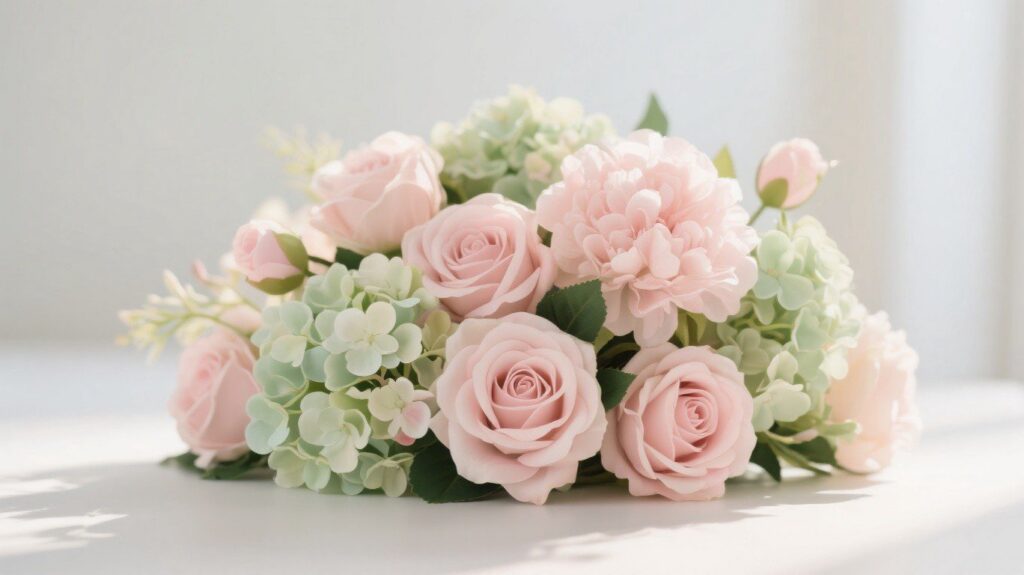
Figure 1. A premium faux bouquet blending real touch roses with silk hydrangeas — both materials can sit side by side in one arrangement. The Short Answer Real...
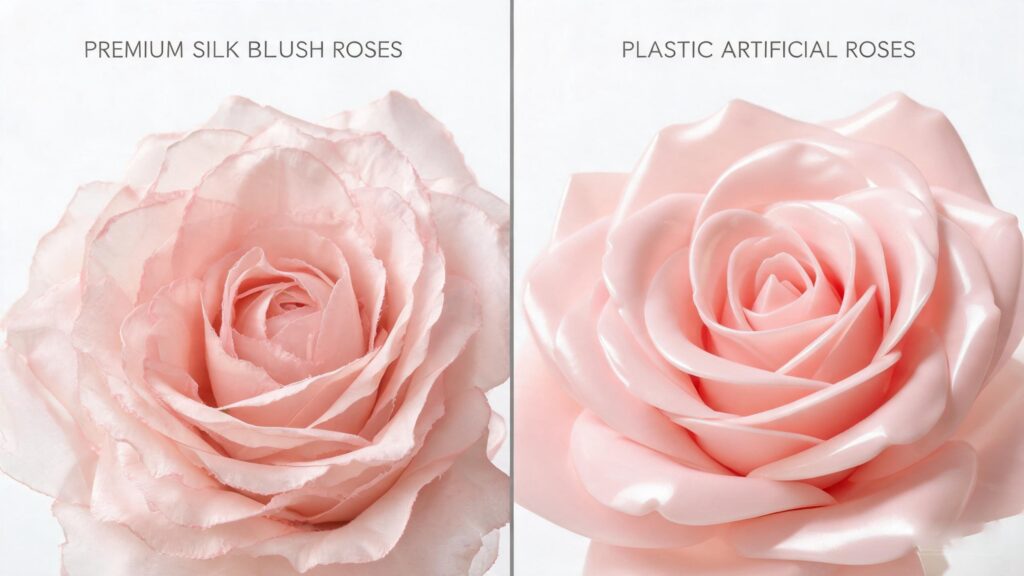
Figure 1: Side-by-side comparison of silk (left) and plastic (right) artificial flowers. Silk petals show natural translucency and color gradients, while plastic offers consistent, uniform tones with a...

No, quality artificial flowers do not look cheap under indoor lights — but cheap ones absolutely do. The difference comes down to three factors: material quality (matte vs....
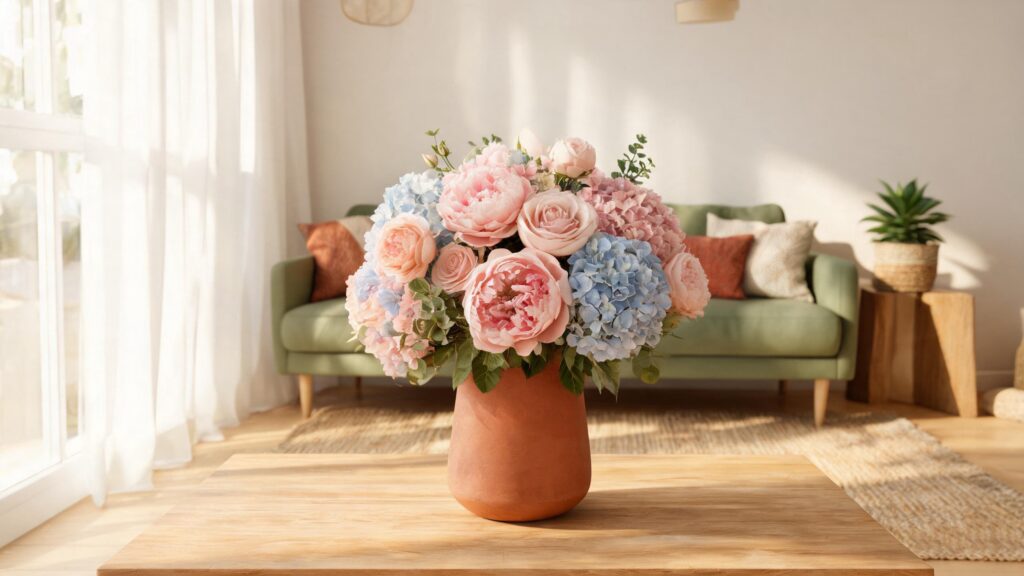
Yes, fake flowers can be eco-friendly — but only when they are high-quality, durable, and reused for 3 or more years. The environmental break-even point occurs after approximately...

Yes, artificial flowers can catch fire. Most artificial flowers are made from polyester, silk, latex, or plastic — all of which are flammable materials that ignite when exposed...
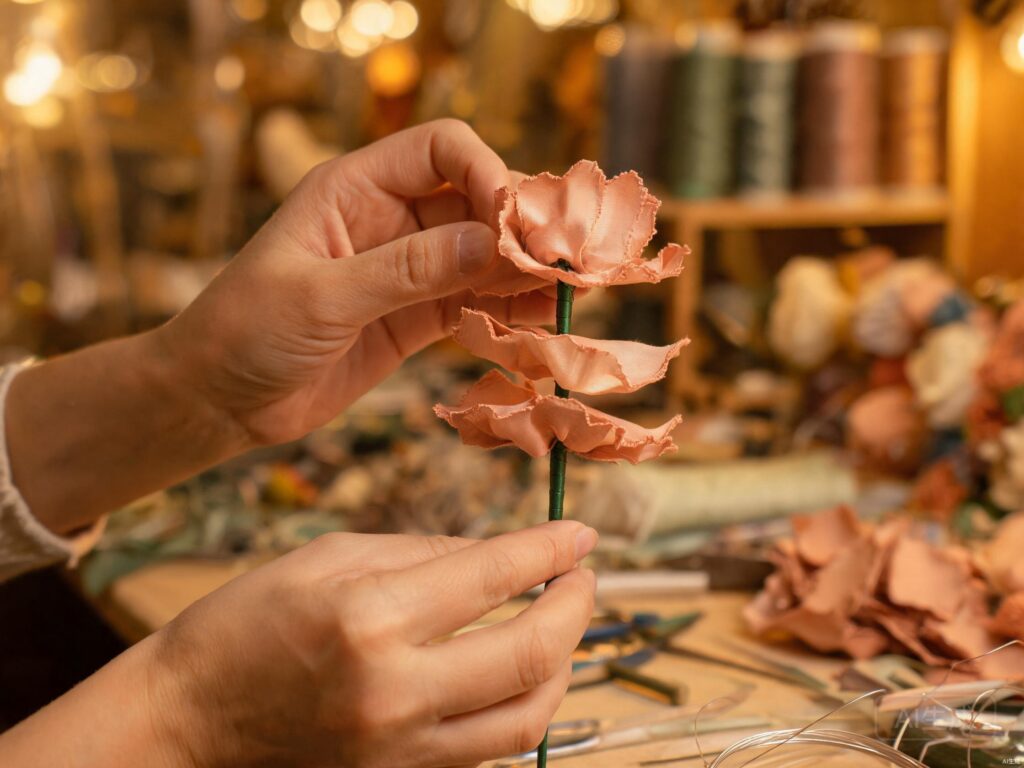
No, modern silk flowers are not made from real silk fabric. Since the 1970s, the vast majority of artificial flowers sold as “silk flowers” are made from polyester...

Artificial flowers are the better choice over real flowers because they last 3 to 10+ years versus 5 to 7 days for fresh blooms, cost 80-90% less annually,...

Artificial flowers are not chemically toxic to pets — the polyester, silk, latex, and foam materials used in their construction will not cause poisoning if touched or smelled....